A pioneer in passive house construction now targets the B2B market with modular timber building components
Text Wouter PolspoelImage Bostoen
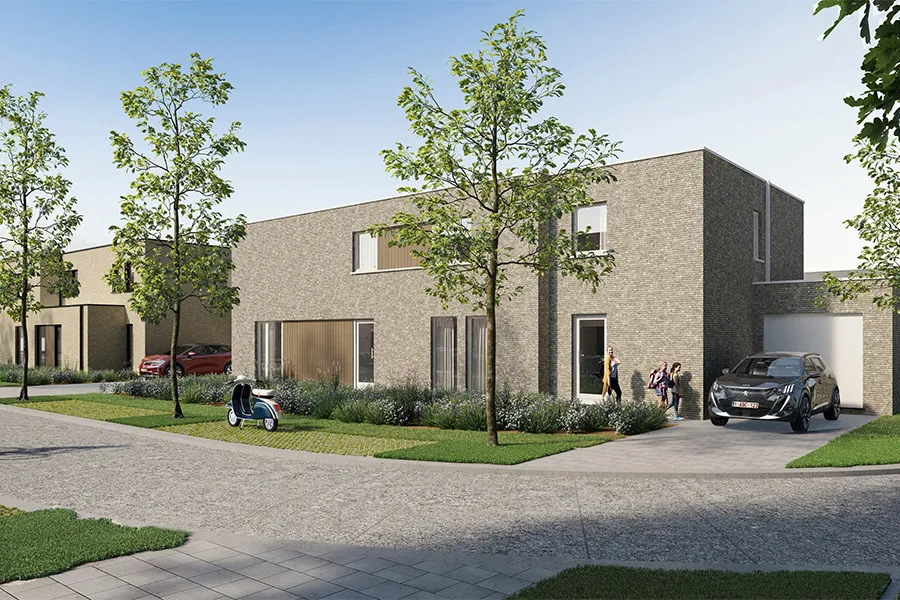
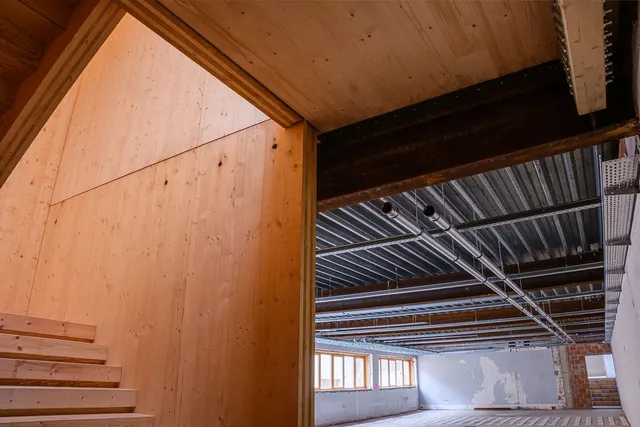
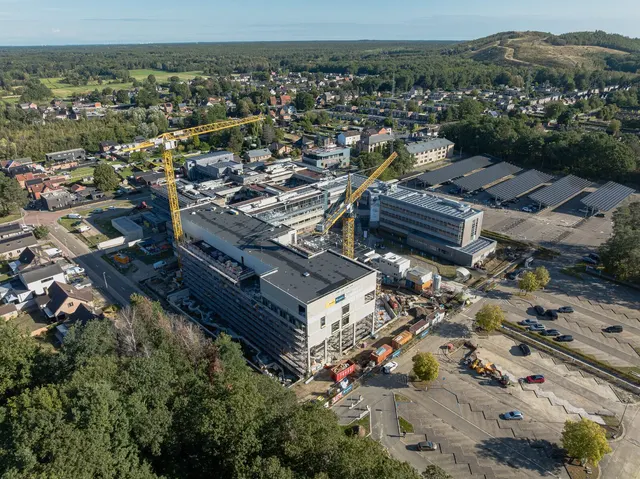
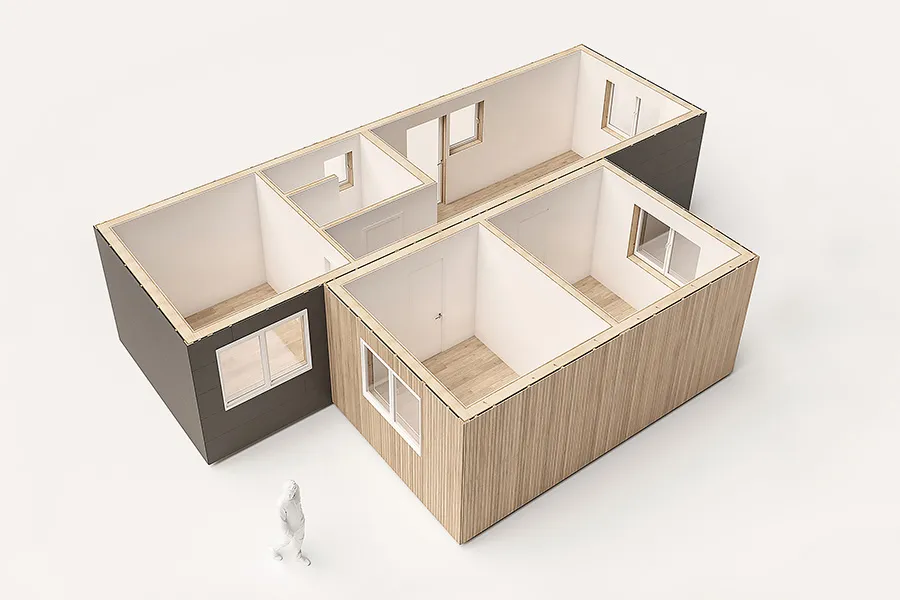
Bostoen is known in the construction sector as a property developer and building contractor with half a century of experience delivering turnkey homes. The company operates not only in the B2C market, but has recently also established a presence in the B2B market through its subsidiary BFB Wood. “BFB Wood markets roofs, walls, floor cassettes, façade elements and 3D modules in timber frame and CLT,” says Johan De Vlieger, CEO of Bostoen. “We supply architects, engineering consultancies, developers and contractors. And, just as at Bostoen, sustainability is a priority for BFB Wood too.”
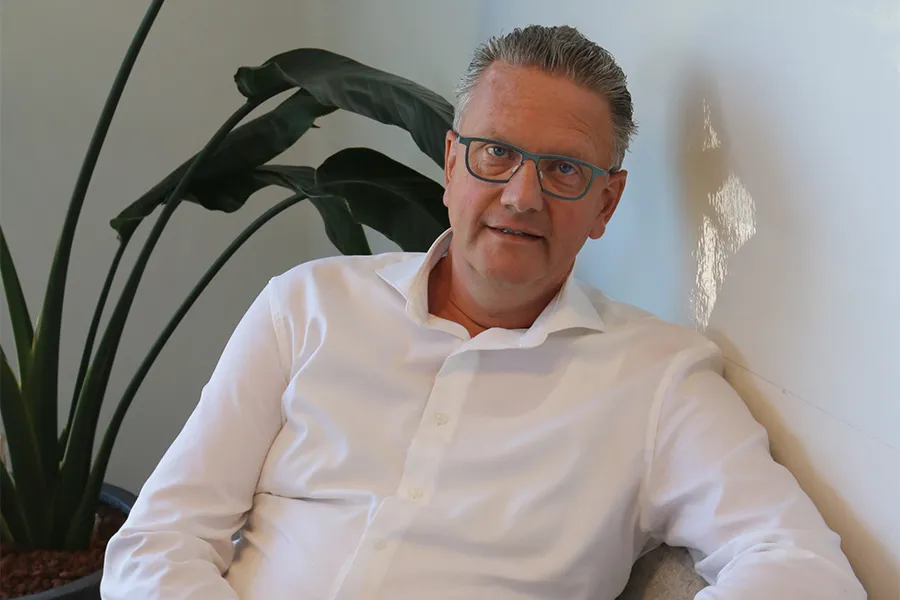
Bostoen is a property developer active in the Belgian residential market, and also builds its own projects. Francis Bostoen founded the company in 1973 with the aim of building high-quality, affordable homes for a wide audience. In 2009, when Stephan Bostoen took over from his father Francis, the company changed direction decisively. It chose to build and sell passive houses exclusively. “Our belief in sustainable homebuilding was visionary and bold, but it came too soon. The market was not ready for it,” explains Johan De Vlieger, CEO of Bostoen since 2017 and previously a member of the Executive Committee.
Pioneering work
“The market for passive houses was not yet large enough, and institutions had not bought into the idea. That is no longer the case today. Everyone wants to live as energy-efficiently as possible, loans for passive houses are cheaper, and the government is making extra efforts. A fall in turnover was the logical result in 2009, but today we are reaping the rewards of our pioneering work,” says Johan De Vlieger. “We laid the foundations long ago for the forward-thinking player in high-quality, sustainable homebuilding that we are today.”
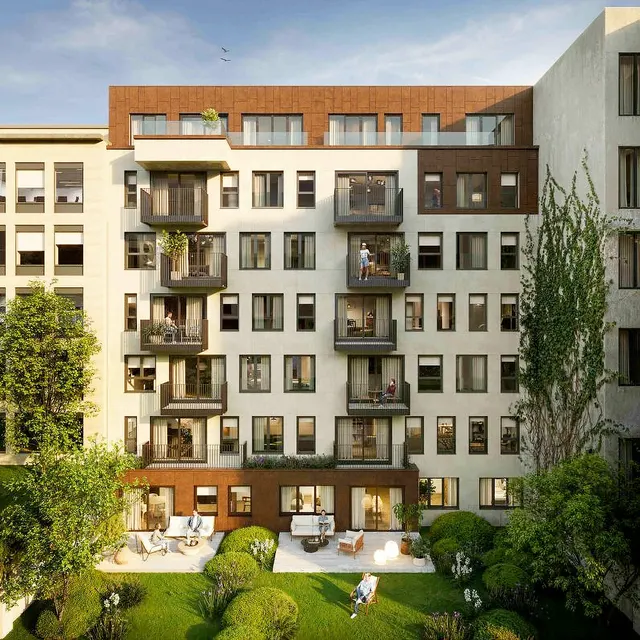
Back in 2010, Bostoen also introduced the unique ‘Natuurbuurt’ concept in land development. Johan De Vlieger explains: “These are residential projects where, among other things, there is a deliberate choice to reduce hard landscaping, combine shared and private green spaces, and locate parking areas at the edge of the development. In short, they offer a unique blend of living and greenery, something society is asking for more and more today.”
Back in 2000, Bostoen also took over an established company with extensive experience in modular timber homes, and continued to develop it over the following years. “Today, through this subsidiary, we have moved into the business-to-business market. Under the name BFB Wood, we build standardised timber-frame and CLT components, preferably on a modular basis,” says Johan De Vlieger. “We invested in timber at the time for reasons of environmental sustainability, and in response to trends in the labour market, where traditional masonry construction of houses and flats was coming under increasing pressure.”
Addressing a twofold challenge
“The saying that ‘the Belgian has a brick in his stomach’ did not come from nowhere. Here in Belgium, we still too often think that homes have to be built with bricks, and that our way of building is perfectly normal. But it is anything but,” says Johan De Vlieger. “Worldwide, 85% of residential buildings are made of timber. Just look at Scandinavia, the United States, Canada or China: everyone builds with timber. Timber construction is more sustainable, while the production of bricks, as well as concrete and steel, is highly energy-intensive. At Bostoen, we believe this way of building will gradually disappear. In one or at most two generations, nobody will build with bricks any more, and construction will be entirely in timber. With BFB Wood, we are already preparing for that.”
“In addition, with BFB Wood we also want to help address the shortage of bricklayers that the sector has faced for years. Demand outstrips the supply of labour, and timber construction can help ease the problem.”
Finally, according to Johan De Vlieger, Bostoen is also researching other environmentally friendly alternatives to commonly used building materials. “For example, an environmentally friendly solution to replace PUR. We are drawing inspiration, among other things, from the Romans, who managed to keep the heat out in summer long before the Industrial Revolution. But I can’t say any more about that just yet,” the CEO concludes.
Question about this story? Ask your question
Keep following this
Get an email when a new story is published. No account needed.
- SubjectSustainable construction