“Concrete certification is sustainability squared”
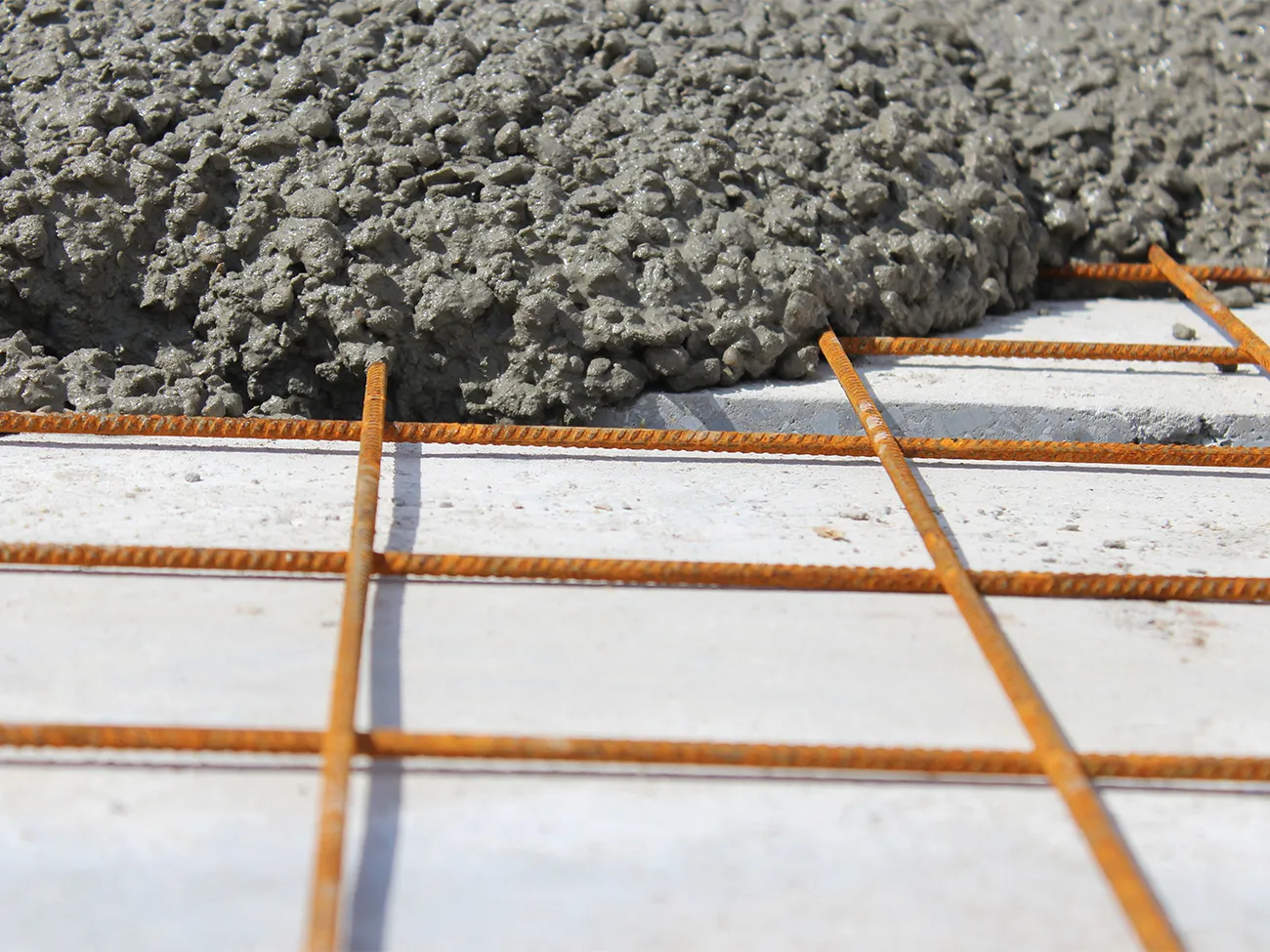
Sustainability is currently the number one priority, including for concrete producers. Concrete and sustainability have been linked for centuries in terms of service life and resistance to environmental influences, but there is still room to improve its environmental performance and impact. “The sector is working hard on this, however,” says Pascale De Kesel, Certification Expert & Auditor at BE-CERT. “The new concrete standard, NBN B 15-001, was officially published in early July. And with NBN B 15-105, alongside NBN B 15-100 for demonstrating the suitability of alternative binders for use, an equivalent method is now also available for inert raw materials. This is another important step forward.”
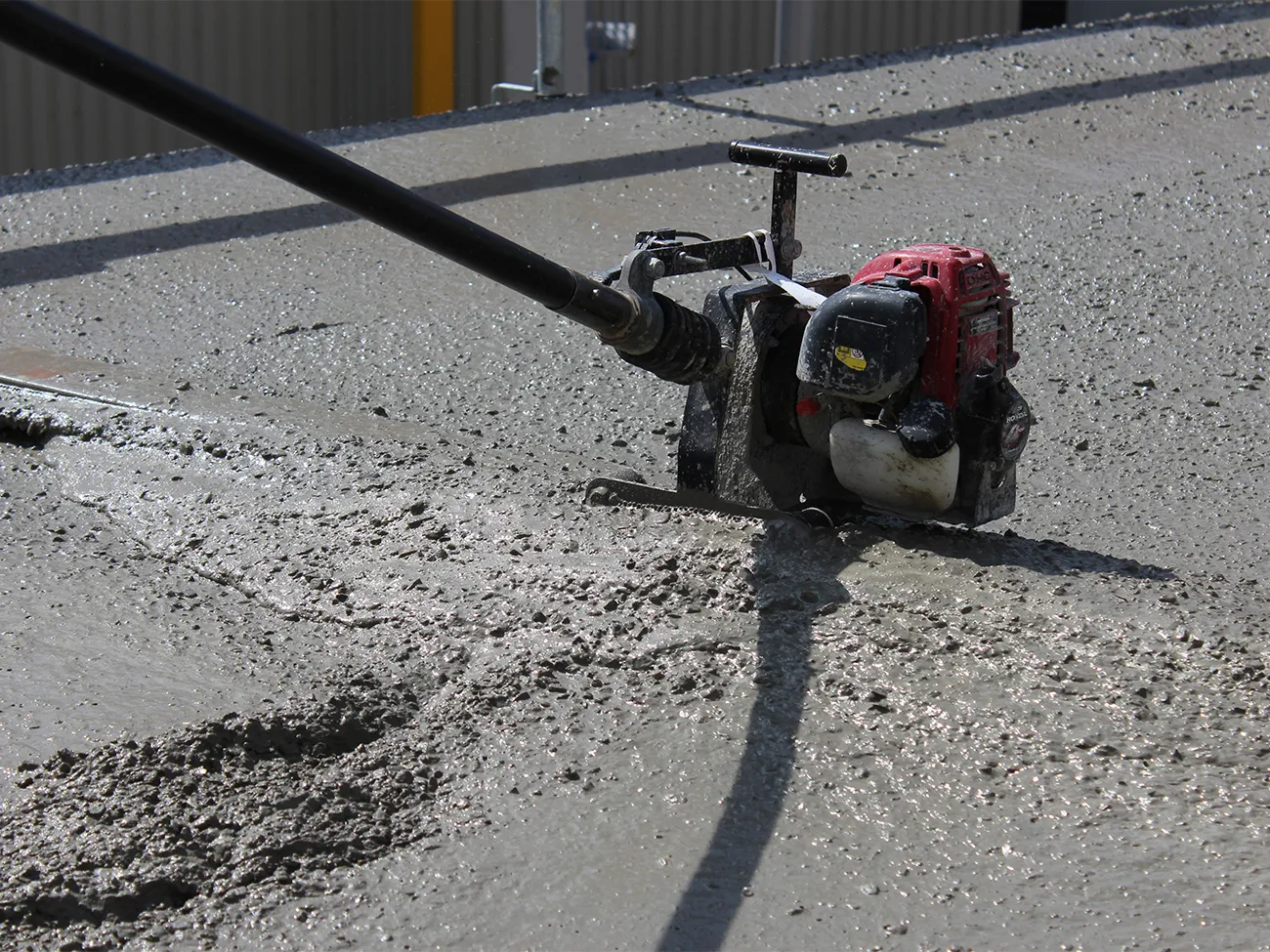
In Dutch, sustainability has two meanings. On the one hand, this widely used term refers to strength and a long service life, the technical aspect (‘durability’). On the other, it concerns the environmental performance and impact of products, materials and structures (‘sustainability’). “It goes without saying that we consider both aspects when certifying concrete,” says Pascale De Kesel. “A structure must not only meet requirements when it is built, it must also continue to perform its function over the long term. And the importance of the environmental aspect is equally beyond doubt. In short: concrete certification is sustainability squared.”
A broader regulatory framework
The environmental aspect has sometimes been a sticking point in the past. That is why considerable effort is now being devoted to the use of alternative binders and alternative inert raw materials, including within the regulatory framework. “The new Belgian concrete standard, NBN B 15-001, was published in early July. The previous version of this standard already referred to NBN B 15-100 for binders, and the new version also refers to NBN B 15-105, which was published in July and covers inert materials. These two standards define a methodology for demonstrating the durability and suitability for use of concrete made with alternative raw materials. This involves identifying the materials, assessing their suitability for use in concrete and for specific applications, and checking their resistance to certain forms of attack, such as freeze-thaw resistance,” explains Pascale De Kesel.
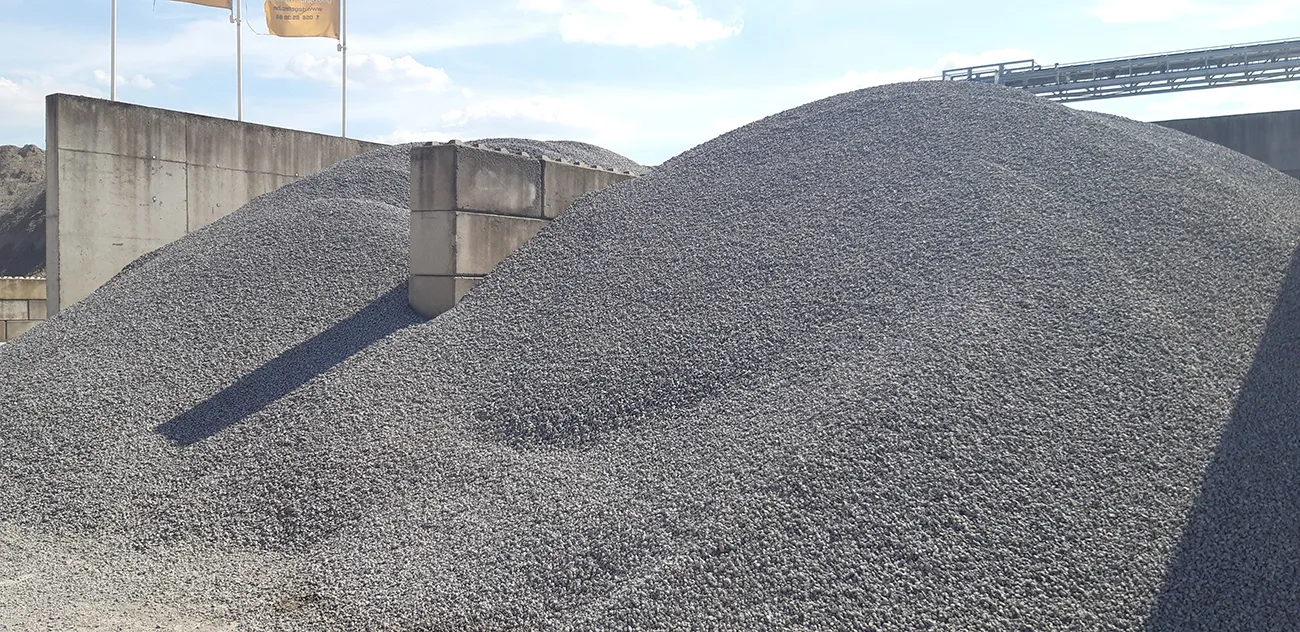
BE-CERT was closely involved in developing the regulatory methodology for inert materials set out in NBN B 15-105. “Our director, Caroline Ladang, chaired the working group, while I served as its secretary,” says Pascale De Kesel. “A concrete producer could use this methodology to demonstrate the suitability for use of concrete containing a higher proportion of recycled concrete and mixed aggregates than the concrete standard currently permits. The methodology can also be applied to materials such as recycled sand, which falls outside the scope of the concrete standard. This is an important development in terms of sustainability, as there is a strong drive to find alternatives to inert materials because their supply is not inexhaustible.”
Panel of experts
The concrete standard permits the use of a limited percentage of recycled material. But what if certain producers want to use higher percentages, or recycled materials not included in the concrete standard, such as recycled sand? In that case, BE-CERT’s panel of experts can help. “If a producer’s application is clearly defined, meaning it covers only specific concrete mixes that they produce themselves, our experts can assess it against the new standard NBN B 15-105 and ensure that it is properly substantiated in terms of durability,” explains Pascale De Kesel. “If a supplier wants to bring an alternative raw material to market for use in concrete, all aspects and possible applications must be taken into account. This can only be done through an ATG. The producer-oriented procedure through the panel of experts will therefore offer considerable added value to many producers.”
It is clear that sustainability is high on the agenda in the concrete sector. “Cement producers are doing everything they can to reduce their CO2 emissions,” says Pascale De Kesel. “We are naturally striving to keep pace and adapt our certification processes accordingly. We are sometimes criticised for being too cautious or even for holding back sustainable innovation, but that is not really fair. Objective tools are needed to guarantee the quality of concrete products, because no one benefits from products, materials and structures that develop technical defects over time or, in the worst-case scenario, put people in danger. That, too, is an essential aspect of sustainability …”
Een zakelijke vraag aan PROCERTUS? Neem contact op
Bedrijven in dit verhaal
Blijf dit volgen
Bij een nieuw verhaal krijg je een e-mail. Geen account nodig.
- OnderwerpSustainable construction
- BedrijfPROCERTUS