Narrow bricks pave the way to carbon neutrality
Text and images Vandersanden
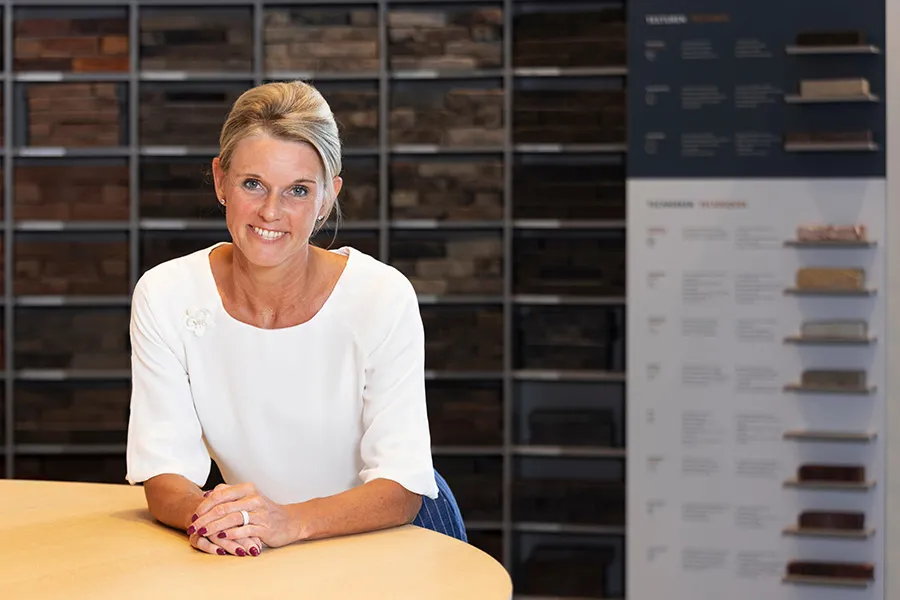
To save energy and raw materials and reduce CO2 emissions, many manufacturers are focusing on dematerialisation. Vandersanden, Europe’s largest family-owned brick manufacturer, is also doing its bit. In mid-February, it launched S-line®, a range of thinner facing bricks. “And that’s not all,” stresses CEO Rudi Peeters. “On the contrary, this is just the beginning. By working with others in our sector, we hope to make the narrow brick format the standard.”
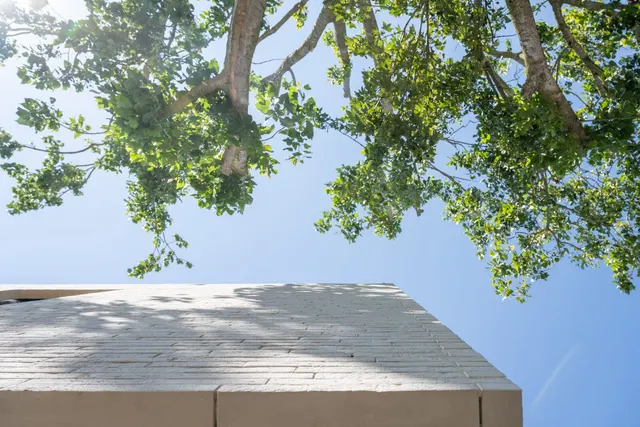
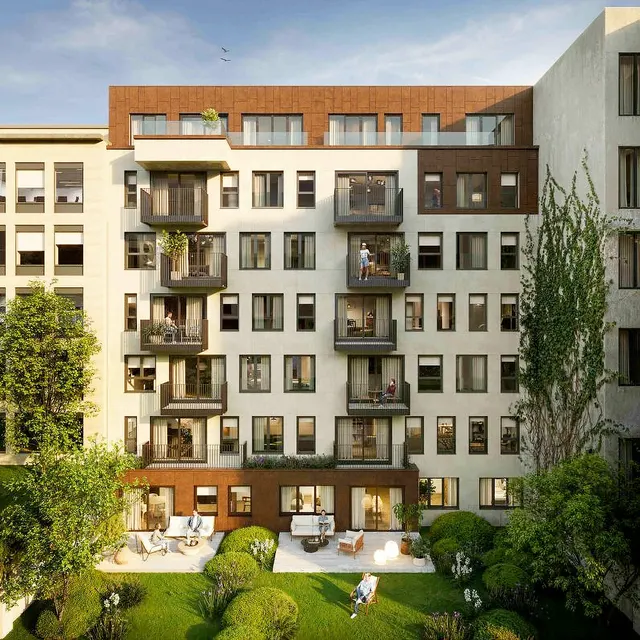
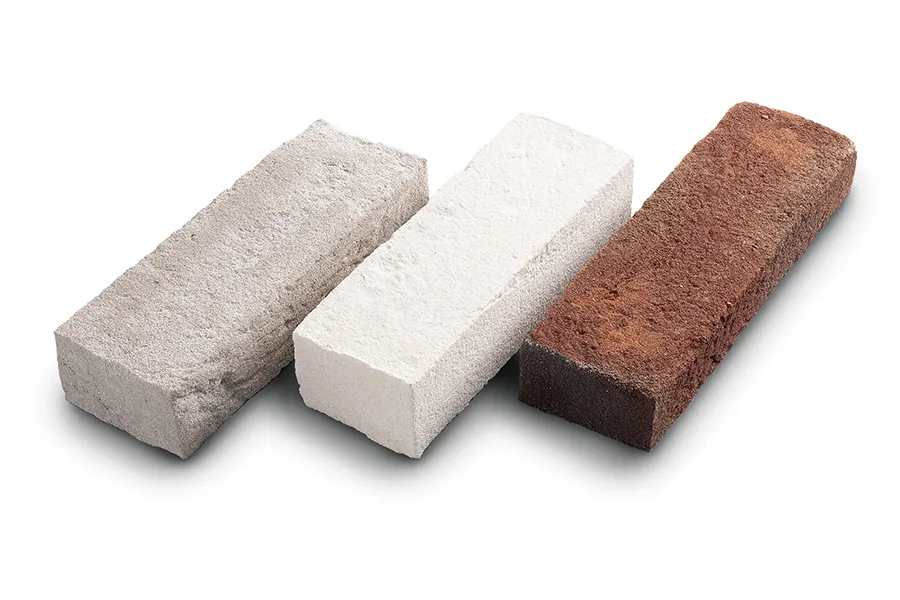
For Vandersanden, producing narrow bricks for both façades and paving is nothing new. Through its Together to Zero programme, the renowned brick manufacturer aims to become fully CO2-neutral by 2050. “Whereas facing bricks used to be 10 cm wide, they are now just 7 to 7.5 cm. They can be laid either with mortar or adhesive and remain attractive for a long time, which is equally crucial for us,” says Annick Hulsman, Business Unit Marketeer Gevel at Vandersanden.
25% less energy and raw materials
With S-line®, Vandersanden is actively contributing to the sustainable and circular ambitions of the construction sector and society as a whole. “Thanks to the associated dematerialisation process, producing the narrow facing bricks requires a quarter less energy and raw materials. This in turn means lower CO2 emissions, less mortar use, more sustainable transport thanks to their lower weight, ergonomic benefits when laying them on site and a lighter structure. Using narrow facing bricks also creates more living and/or working space, or extra room for insulation within the wall. Another important point is that, because they require less energy and raw materials, the narrow facing bricks are around 10% cheaper than traditional facing bricks,” explains Annick Hulsman.
Towards a circular economy
S-line® bricks are made from local river clay, a renewable raw material. They also have an average lifespan of 135 years and are reused at a rate of almost 90%. “In this way, we are making a tangible contribution to the circular transition and taking another step towards reducing our ecological footprint, with CO2 neutrality by 2050 as our ultimate goal. To that end, we launched the Together to Zero sustainability programme, which focuses on making our processes, products, production methods and factories more sustainable. We aim to make the narrow brick format the industry standard, and want to reach out to other stakeholders so that we can operate without CO2 emissions together. We encourage architects to incorporate the narrow brick format from the outset into their designs, and have developed new laying guidance for contractors, among other things. Our tagline is ‘the most beautiful things are made together’ for a reason …,” concludes Vandersanden CEO Rudi Peeters.
Een zakelijke vraag aan Vandersanden? Get in touch
Companies in this story
Keep following this
Get an email when a new story is published. No account needed.
- SubjectSustainable construction
- CompanyVandersanden