New normative framework for alternative concrete raw materials
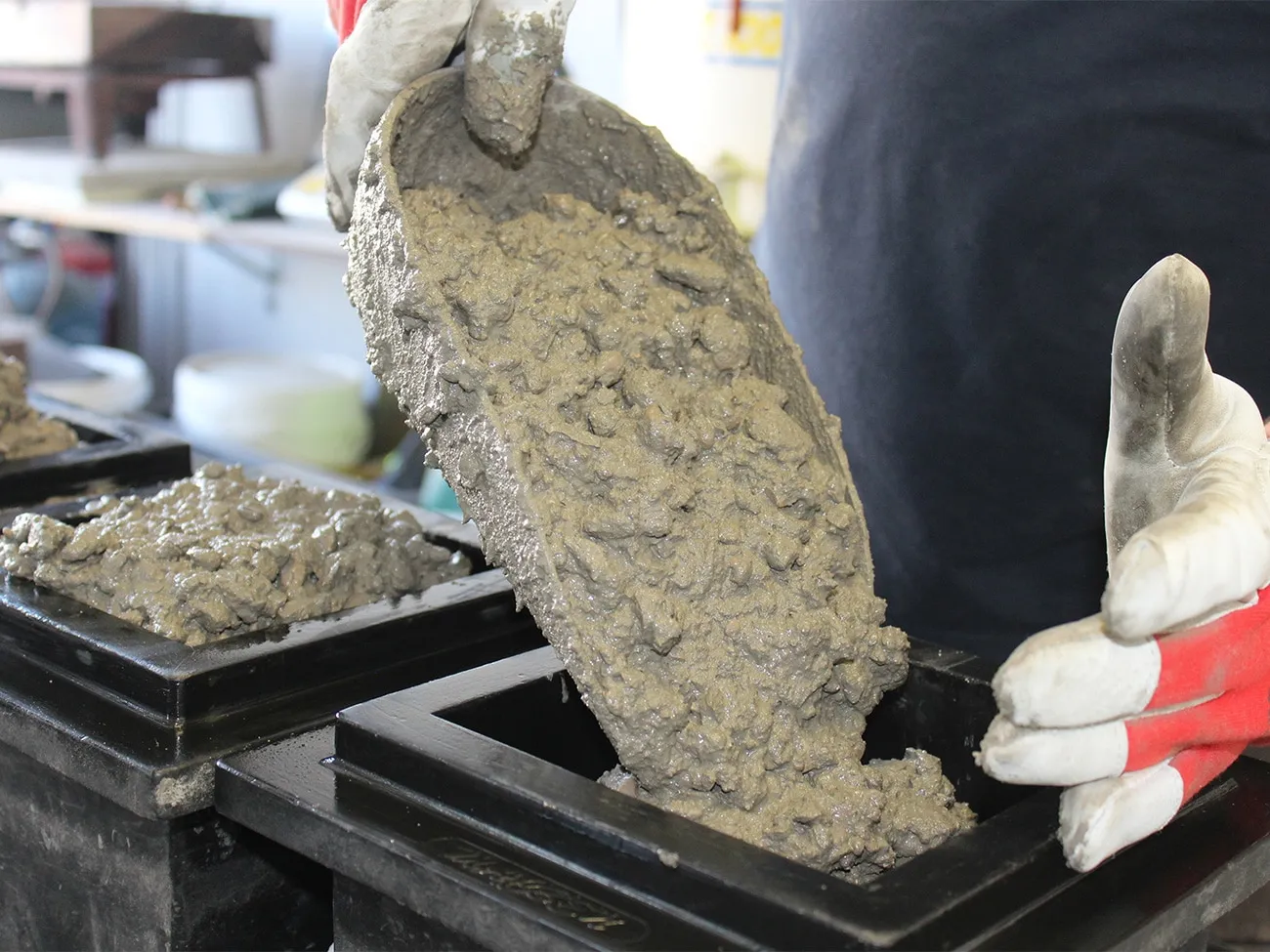
The Belgian concrete standard NBN B 15-001, which underpins the BENOR mark, is the key reference in the Belgian construction industry, but the sector continues to evolve. As a result, many alternative concrete raw materials and mixes are not yet included in normative reference documents. A standard already exists for the use of alternative binders, but until recently alternative inert raw materials were largely left out. The introduction of a new standard will soon change that. Caroline Ladang, director at certification body BE-CERT, and Pascale De Kesel, concrete sector specialist at BE-CERT and secretary of the working group that developed the standard, explain how it came about.
Greening and sustainable development are crucial societal trends with an ever-growing impact. The concrete sector is also keen to get on board, making the necessary efforts to make products and applications more sustainable and environmentally friendly. Alternative concrete raw materials and mixes have been in use for some time, such as
residual materials or recycled aggregates, but until recently the normative framework lagged somewhat behind. “A standard already exists for the use of alternative binders (NBN B 15-100), but not yet for alternative inert raw materials,” says Caroline Ladang. “That is why BE-CERT, in collaboration with the concrete sector and other institutions, has put a great deal of effort into developing a parallel methodology in recent months. Producers wishing to use these materials will finally be able to obtain the BENOR mark for concrete mixes containing alternative inert raw materials. This will be possible on the basis of a technical approval (ATG), and individual mixes can also be assessed by a panel of experts set up within BE-CERT’s Concrete Management Committee.”
More options
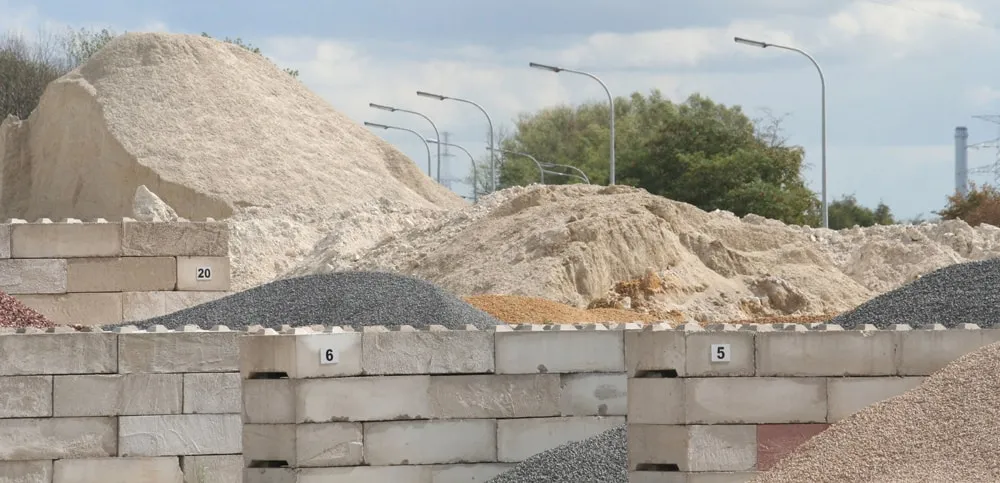
BE-CERT and producers are already making progress: the first product files have been opened, and the method being used is currently being refined. If all goes well, the new standard for the use of inert raw materials, provisionally titled NBN B 15-101, will be released for public enquiry this autumn. This is an important milestone, as from then on the methodology set out in the standard will make it possible to demonstrate that alternative raw materials are suitable for specific concrete applications. “This will give a further major boost to the greening of concrete applications and the construction sector in general,” stresses Pascale De Kesel. “The new standard also offers greater flexibility, since until now the BENOR framework has been very restrictive. Recycled aggregates, for example, are permitted under the Belgian concrete standard, but only with limited replacement percentages and in a limited range of applications. The new standard will substantially expand the existing options, in a controlled way and with all the guarantees for the quality and durability of the end product.”
A major boost
The sector has already responded enthusiastically to the forthcoming standard for alternative inert raw materials. “We are pleased to see that there is strong demand for it,” says Caroline Ladang. “Alternative concrete mixes have of course been used in the past, but the risk was then placed on architects and clients. Now the study and inspection will fall under the BENOR mark, with the usual quality guarantees. This will also make it easier to persuade public authorities and other clients. Parties wishing to use the new standard and the associated BENOR certification will have several options. If it is specifically for their own use, for example at a concrete batching plant or by a concrete producer, they can apply directly to BE-CERT. A panel of experts can approve a file on the basis of a study carried out with the help of an accredited laboratory. If the aim is to operate on a wider scale, the best option is to apply for an ATG. In any case, the new standard will strongly encourage the high-value use of alternative raw materials in concrete applications!”
Een zakelijke vraag aan PROCERTUS? Neem contact op
Bedrijven in dit verhaal
Blijf dit volgen
Bij een nieuw verhaal krijg je een e-mail. Geen account nodig.
- OnderwerpSustainable construction
- BedrijfPROCERTUS