Sustainable construction with lightweight plasterboards
Tekst Wouter PolspoelBeeld Etex Building Performance
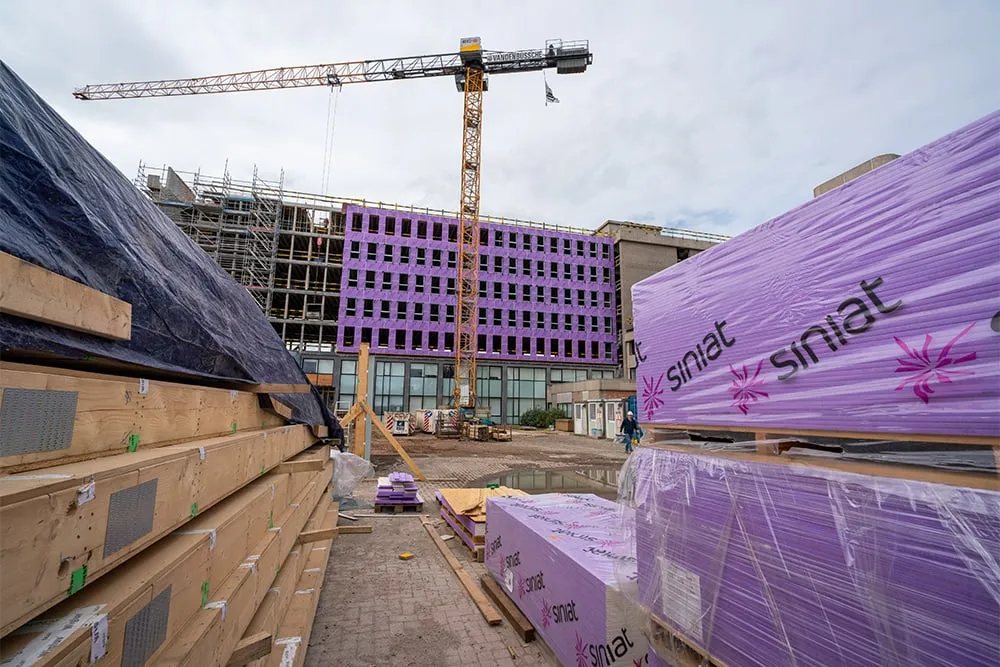
Siniat plasterboards, a brand of Etex Building Performance, are fully aligned with the principles of sustainable and circular construction. The boards are made entirely from natural raw materials, their lightweight design reflects a strong focus on minimising material use, and they are 100% recyclable.
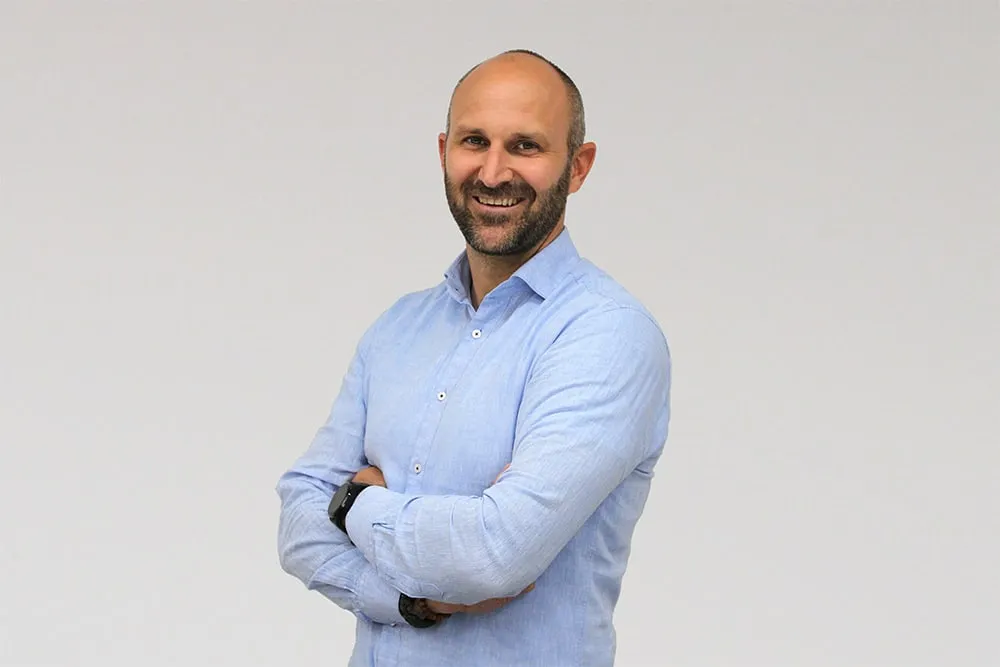
“When people hear the term sustainable building materials, they usually think straight away of materials such as straw or timber, but Siniat plasterboards certainly belong in that category too,” says Toon Plompen, product & sustainability manager at Etex Building Performance. “Plasterboards are made from a mixture of gypsum and water, with paper as the finish. These are all natural materials. The paper, of course, is made from wood, largely from recycled wood fibres. As a result, the boards are 100% recyclable, so producing each new plasterboard does not require only so-called virgin raw materials.”
Making the most of recycling potential
Siniat is also taking practical steps to recycle. “We use recycled plasterboards as a raw material in production. Unfortunately, plasterboards cannot be reused in their existing form, as they cannot be dismantled without causing damage,” explains the product & sustainability manager. “For Siniat’s production site in Delfzijl in the Netherlands, which supplies Belgium and the Netherlands, the recycled material comes from the nearby gypsum recycling plants operated by Gips Recycling Benelux and Gipsrec.nl, which process gypsum waste. We can currently make plasterboards at Delfzijl that contain more than 10% recycled plasterboard. We even have production sites elsewhere in the world that can make boards containing more than 25% recycled material. The aim, of course, is to gradually increase the proportion of recycled gypsum. Siniat is also actively setting up partnerships to collect plasterboards, so that we can ensure a steady supply. We also reuse all our production waste.”
Europe is watching
“But we are doing much more to further reduce the inherently low environmental footprint of plasterboards,” Toon Plompen continues. “Given their inherent environmental benefits, Siniat is a key focus for Etex’s R&D department as we make our operations more sustainable, a commitment we have made concrete by signing the European Green Deal and joining the UN Global Compact. One of these additional efforts is to minimise material use. Thanks to a carefully considered design process, Siniat plasterboards are very lightweight. This also makes them very easy to install.”
“In addition, 50% of the water we use is rainwater, and we reuse surplus water from production. But we also look beyond purely material considerations. For example, we use the heat generated when drying plasterboards to produce energy for our site with a combined heat and power plant. Our production sites are also deliberately located close to markets to limit transport. Where possible, they are also located by the water, as in Delfzijl, to maximise transport by water, which is more sustainable than road transport, for both incoming supplies and deliveries.”
All these efforts mean that Siniat plasterboards, like the vast majority of Etex products, have an EPD, or Environmental Product Declaration. “This is a document containing all the information on the environmental impact of a building material,” Toon Plompen explains.
Weather-resistant gypsum building board
Siniat’s range includes fire-resistant and moisture-resistant plasterboards, boards with high acoustic performance, and boards that can withstand high impact. Combinations are also possible, of course.
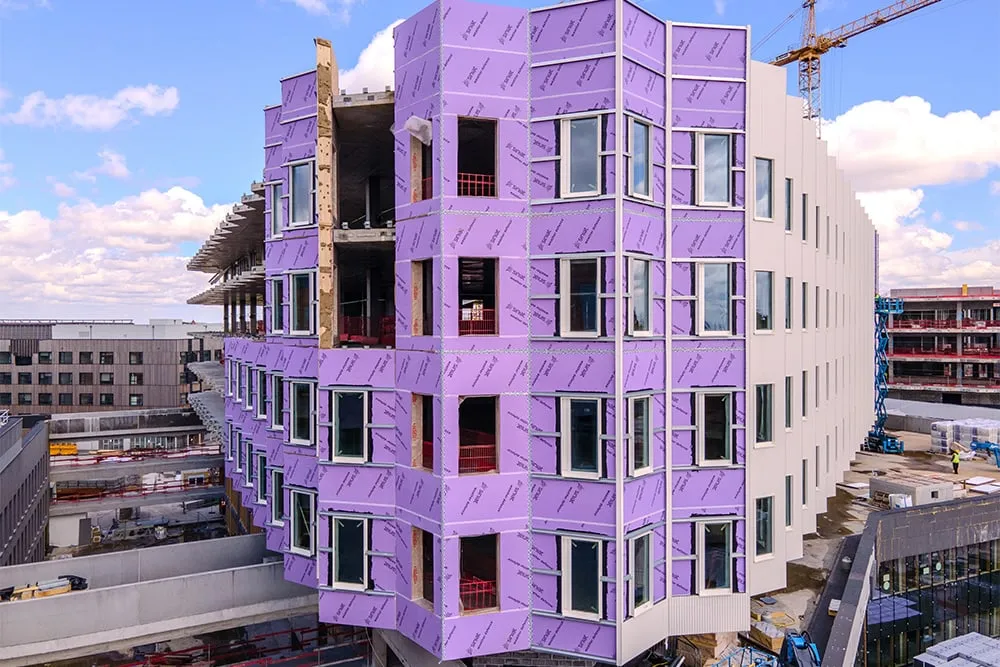
According to Toon Plompen, the Weather Defence board is a particularly good example of Etex’s strong focus on sustainability. “This is an airtight plasterboard that can also be used in extreme outdoor conditions for twelve months. Plasterboard would not normally withstand prolonged exposure to water. It is generally used between the insulation and the façade finish, as a protective board for the structure and insulation. Thanks to the Weather Defence board’s weather resistance, the façade finish does not have to be installed straight away. The board also has an A1 reaction-to-fire classification and a K2 10 fire protection rating. It therefore offers a more sustainable alternative to some traditional building materials. The Maria Middelares Medical Centre in Gentbrugge and CHwapi hospital in Tournai are just two of the reference projects we can point to featuring the innovative Weather Defence board.”
An ecological and economic choice
It is clear that Siniat is a fundamental pillar of Etex Building Performance’s efforts to reduce the CO2 emissions of its products. “This is not only an ecological choice, but an economic one too. The CO2 emissions of building materials will only become more important in specifications and to building investors,” concludes the product & sustainability manager.
Een zakelijke vraag aan Siniat? Neem contact op
Bedrijven in dit verhaal

Blijf dit volgen
Bij een nieuw verhaal krijg je een e-mail. Geen account nodig.
- OnderwerpSustainable construction
- BedrijfSiniat