The future of construction: Cradle to Cradle
Sustainability is everywhere today. It is therefore no surprise that, in recent years, a growing movement of companies and manufacturers has embraced the Cradle to Cradle (C2C) principle. Kawneer is among them. Designing and manufacturing sustainable aluminium products calls for extra care and effort. That makes it important to consider the origin of raw materials and how the finished product can be reused in the future. In this article, Jeroen Boersma, Senior Product Specialist at Kawneer, takes us through the steps Kawneer is taking in this area.

What is Cradle to Cradle?
Cradle to Cradle is a design philosophy based on the idea that all products can be reused. Waste is therefore no longer waste. The aim is for a product to be fully reused at the end of its life cycle. This is known as upcycling. The term describes turning a waste product with a relatively low value, such as aluminium from demolition, into another product with a higher value, such as an aluminium window profile. This way of thinking contrasts with traditional manufacturing, where the finished product, costs and revenue take precedence over the depletion of raw materials, environmental pollution and suitability for reuse.
Recycling reused materials
With Cradle to Cradle, manufacturers consider the entire ‘supply chain’. They assess the origin of raw materials and consider more sustainable alternatives, such as recycled aluminium. It is also important for the finished product to be easy to recycle at the end of its life. To help manufacturers, the Cradle to Cradle Products Innovation Institute (C2CPII) has established a set of rules.
One example is the Cradle to Cradle Certified ‘Banned List of Chemicals’. This list includes chemicals that may not be used if a product is to qualify for C2C certification. PVC, for example, is one of the ‘banned chemicals’, so PVC products cannot be certified. Aluminium, on the other hand, is eligible for certification. Recycling aluminium uses 95% less energy! Demand for aluminium is therefore high. For this reason, Kawneer is investing in the supply chain for used aluminium and construction and demolition waste.
Demolition is the new mining
More effective demolition and better sorting are vital to reusing waste. Products are therefore designed to be easy to dismantle at the end of their service life. This makes recycling much easier. Rubber seals, hardware, plastics and other loose components can be separated, leaving only clean aluminium. The Cradle to Cradle philosophy is therefore an important step towards a more sustainable future for both our planet and our economy.

Kawneer’s Cradle to Cradle
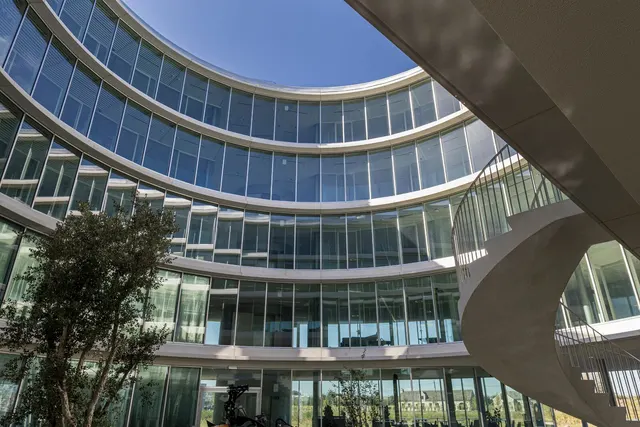
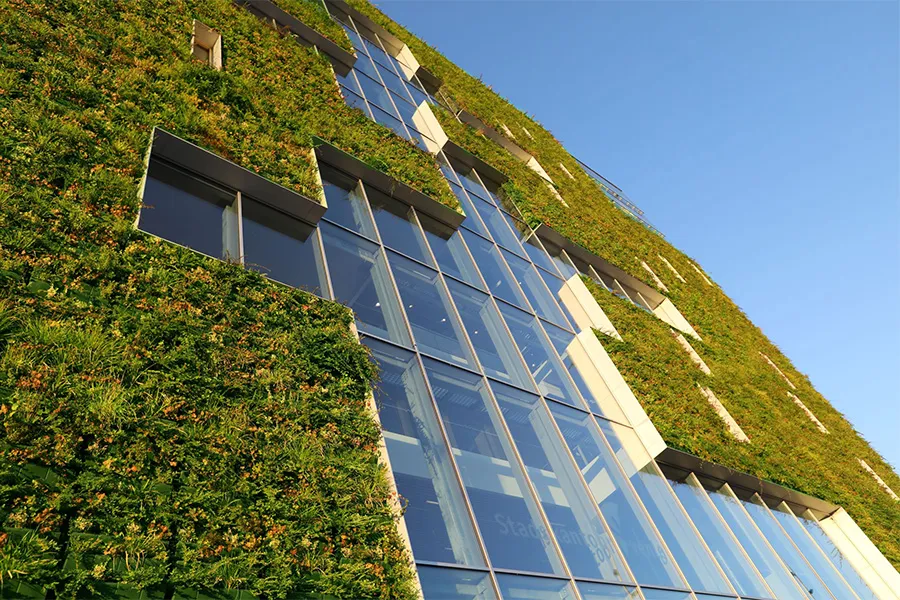
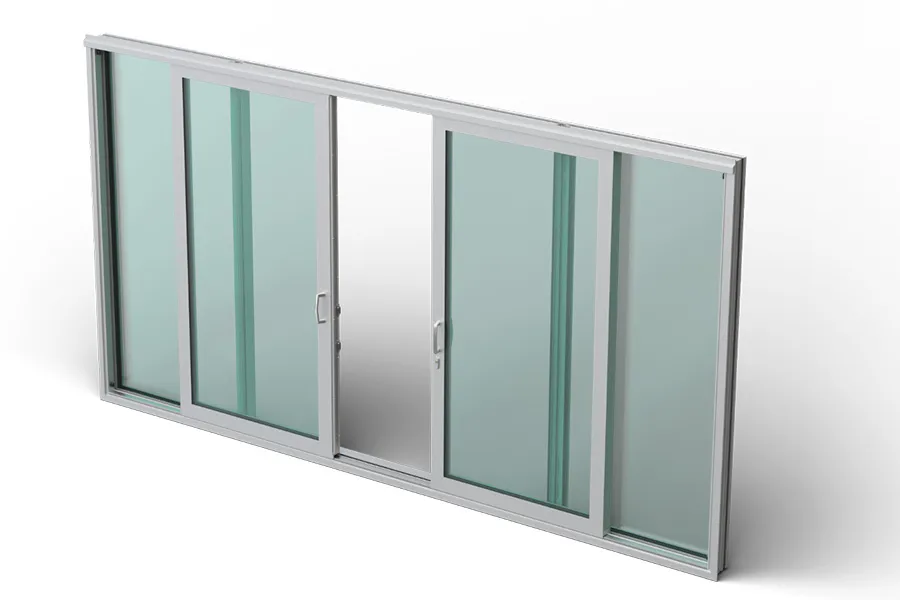
Aluminium is a sustainable material: it can be recycled indefinitely, is non-toxic and requires very little maintenance. More and more Kawneer products are C2C certified. For example, Kawneer’s Cradle to Cradle Silver certified AA 100 HI+ curtain wall has been used in the sustainable Stadskantoor Venlo (photo). The AA 5110 sliding door (photo) also carries the Cradle to Cradle Certified® Silver designation. We have our products assessed by the C2CPII. This independent organisation awards certificates to products that pass an assessment exceeding statutory requirements. This covers not only the aluminium, but also the hardware, rubber seals and sealant. Find out more here about Kawneer’s products with C2C certification.
The ultimate aim is to have a positive impact on the environment, and to show that companies can operate sustainably and still be successful. By having its products C2C certified, Kawneer is also helping to build a more sustainable future.
Een zakelijke vraag aan Novastruct? Get in touch
Companies in this story
Keep following this
Get an email when a new story is published. No account needed.
- SubjectSustainable construction
- CompanyNovastruct