“Buildings can be made much more accessible”
Accessibility in Flanders still has a long way to go. For many, it may seem like a distant concern. However, we should not forget that few people escape aches and pains and reduced mobility as they get older. How do you get to work then? And can you use the toilet there? Consultancy AID makes sure the answer is ‘yes’.
The need for accessibility is not limited to the older population. According to Statbel, ‘in Belgium, 9 per cent of the population aged between 15 and 64 are severely restricted in their daily activities by a disability, a long-term condition or a long-term illness’ (Labour Force Survey 2017). Making buildings fully accessible would significantly reduce unemployment in this group, to everyone’s benefit. Since the introduction of the Flemish Accessibility Regulations, which have been in force since 1 March 2010, requirements have applied to the accessibility of public buildings. “Unfortunately, these are very limited,” says AID. “They focus solely on making a building accessible to wheelchair users. That is just the starting point.”
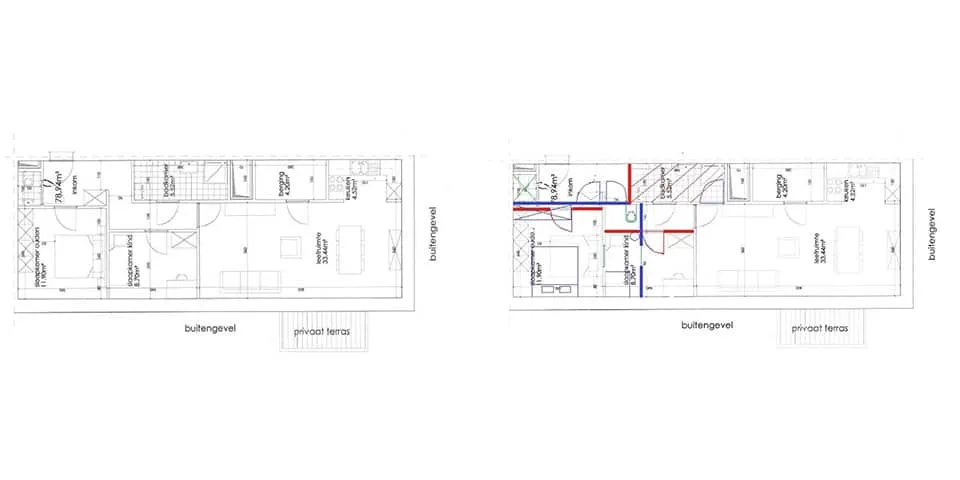
AID identifies problem areas in existing designs and proposes solutions to create accessible buildings.
Dedicated, bespoke advice
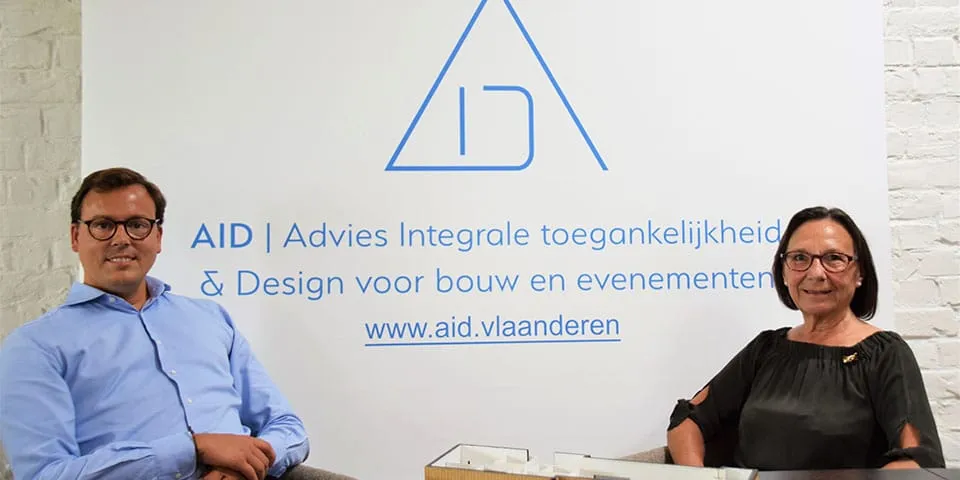
Architect and accessibility expert Marie-Andrée Avraam, architect and entrepreneur Servaas
Vertongen, and entrepreneur Tanguy Martens believe things can be done better. That is why they founded consultancy AID bv. AID stands for Advies Integrale toegankelijkheid en Design voor bouw en evenementen. AID advises on and assesses buildings, checking them against the Flemish Accessibility Regulations and, where necessary, going a few steps further.
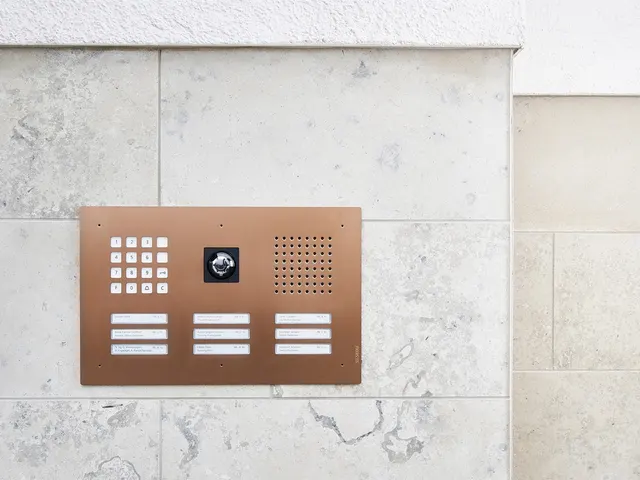
“A video door-entry system is better than an intercom, a black mat at the entrance is not advisable, and training in accessible customer service makes a world of difference at reception. These are just a few of the factors that significantly improve a building’s accessibility,” explains AID. “Today, our main task is raising awareness. People without disabilities often do not yet realise that there is a genuine need for fully accessible office buildings. We advise architects and property developers. After an assessment, we award the AID accessibility label to buildings that meet the standard.”
Question about this story? Ask your question
Keep following this
Get an email when a new story is published. No account needed.
- SubjectThemes