Business solutions in a post-coronavirus world
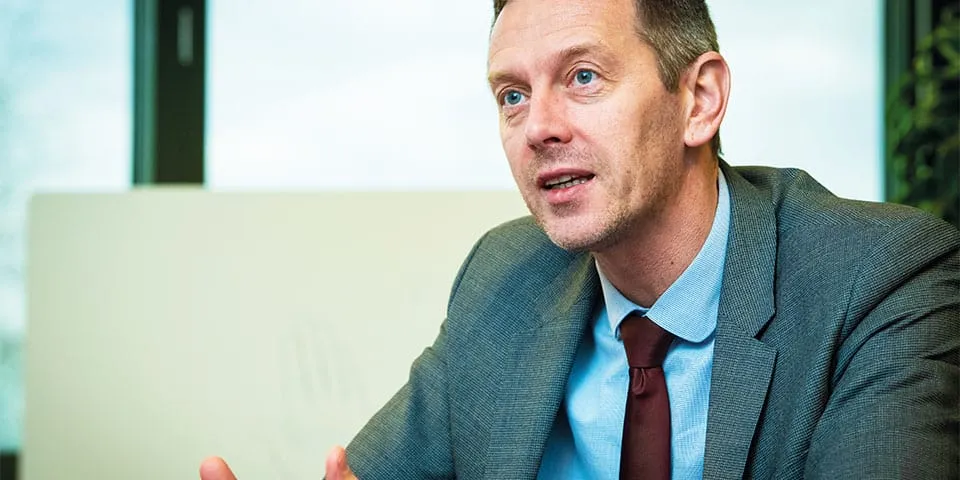
As we welcomed in 2020 with celebrations, no one could have guessed what strange times lay ahead, both in our personal and professional lives. In the construction industry, social distancing is no easy matter. Far from it, in fact. But, as ever, our entrepreneurs have shown themselves to be creative and resourceful. Thanks to their appetite for innovation and their perseverance, the construction industry will climb out of the trough once again. That is reason enough to shine a spotlight on some smart solutions.
Creativity makes construction companies resilient
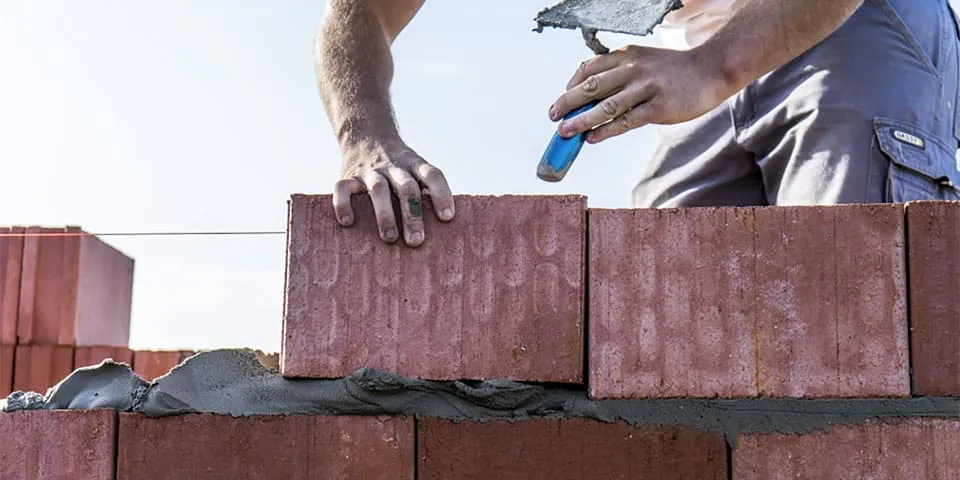
Keeping your distance remains one of the key guidelines in construction, too.
It still takes a bit of juggling, but we are now collectively back at work. In the first few weeks, it was mainly miscommunication, and unfortunately often a complete lack of communication, that set the pace in the construction industry. Now, the main focus is on getting back to work and rebuilding.
Flexible organisation
“Those initial communication problems did indeed hamper activity,” confirms Jean-Pierre Waeytens, managing director of Bouwunie. “Companies were in a panic. A lot of work was halted, even though it was possible and permitted to continue working, either partly or fully, provided the guidelines were followed. At the beginning of April, only a third of our members had closed, at least in part. Since then, more and more construction companies have gradually resumed operations.” The generic guide and the sector protocol were useful documents for managing that restart. However, reorganising staff and teams called for a great deal of creativity. Waeytens says: “In my view, that is where the industry really showed its appetite for innovation. Companies split up teams, carried out more preparatory work in the workshop, installed more washbasins on site, and so on.”
For some companies, continuing or restarting work also required more concrete innovations. Jean-Pierre Waeytens gives an example: “One of our members was working on a project involving large, heavy masonry blocks. Normally, two bricklayers install these blocks together. Obviously, that is not possible now. The company bought a telehandler. With this lifting equipment, one bricklayer can install the large blocks on their own.” Bouwunie has also noted an increase in digital communication and site monitoring as
innovative changes in the construction industry. Instead of arranging site visits, partners were virtually present on site, as it were. This stopgap may well have a lasting impact on how construction projects are organised.
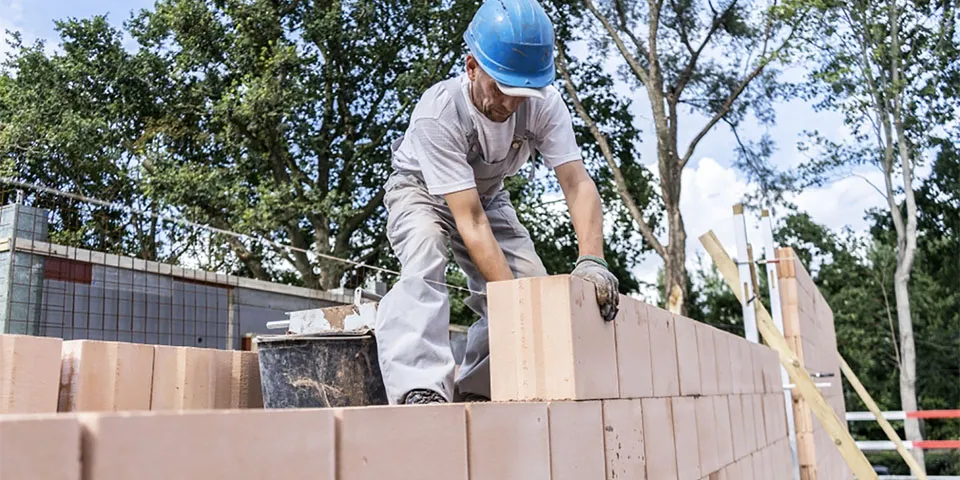
Sector associations provided clear answers and protocols for the new way of working.
Creative companies on site
In many industries, people were able to work from home. To some extent, that was also possible in construction. Nevertheless, it is one of the industries where most of the work takes place on site. And of course, it has to be safe, especially at a time when the coronavirus is spreading, or even just lurking in the background. At Constructiv, Building on People, the safety of construction workers on site and wellbeing at work are central priorities. Companies can call on their regional wellbeing advisers for prevention support and advice tailored to their workplaces.
Director-general Fabrice Meeuw is keeping a close eye on developments. “Adapting to the new measures is a major challenge, particularly for contractors,” he says. “Even more so than for companies operating from a fixed location. Every site is different, as are its facilities. Construction companies have to set up each location in compliance with the regulations.”
To handle the flood of questions over recent months, Constructiv also set up a central Contactpunt Corona Bouw, staffed by a team of experts. Its purpose was to answer questions both large and small about collective transport, face masks, revised risk assessments, site organisation and more. At the helm was Willem Van Peer, manager of the Technical Competence Centre at Constructiv. Over the past few months, alongside a huge number of questions, his team has also heard about a range of solutions devised by companies themselves. “Particularly at the start, creativity was needed to keep working,” says Willem Van Peer. “But an innovative approach meant that most work could continue while respecting social distancing. On some sites, that was straightforward, while on other projects it was less obvious. It was especially in the latter cases that our construction companies showed themselves to be creative and resilient.”
BESIX Infra, for example, extended the handles of its kerb-lifting clamp. This allowed the two workers who use the clamp together to keep a sufficient distance apart while working. By painting the extended handles at each end a different colour, a tip they received after sharing their idea on social media, they also made sure the workers did not grab the same handle. The ‘borduurtang 2.0’ was born. Viabuild also showed its innovative side. It developed a tool that allows workers to handle manhole rings while observing social distancing. “There are, of course, plenty more examples,” Van Peer emphasises. “The entrepreneurial spirit of our construction companies ensured that many activities could go ahead or restart quickly, despite the strict measures.
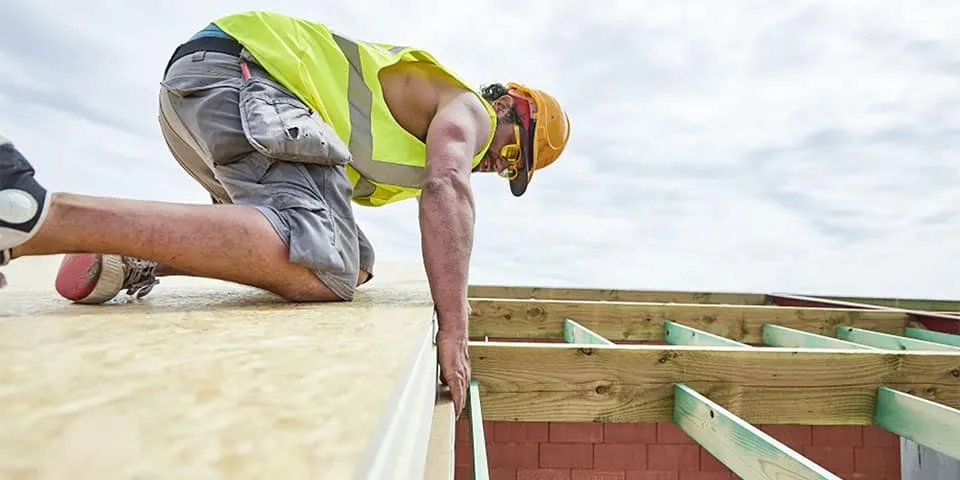
Thanks to an innovative approach, most work was able to continue while respecting social distancing.
The importance of sector organisations
Construction companies were clearly not left to fend for themselves during those difficult months. Umbrella sector organisations once again proved their worth as sources of information, advisers and negotiators. “Thanks to effective lobbying, we were able to prevent building-materials suppliers, among others, from closing their doors. That would have been a real disaster for those who were able and willing to keep working. In any case, closure was never an option for wholesalers supplying professionals,” says Jean-Pierre Waeytens of Bouwunie. Protocol agreements, such as the one with minister
Lydia Peeters on carrying out road and waterway works, were also an important step. By seeking clear answers and, after the necessary research, putting forward their own views on the situation, the sector associations provided their members with as many ‘tools’ as possible to resume work.
Those protocols and the sounding board construction companies found within their sector laid a stable foundation. The final push and alternative approaches to the work came from the companies themselves. Their creativity and entrepreneurial spirit steered solutions in the right direction during these unprecedented times.
Question about this story? Ask your question
Keep following this
Get an email when a new story is published. No account needed.
- SubjectThemes