Covid-safe access control: a brief overview
The coronavirus crisis is changing the balance, including when it comes to access control. Why still opt for a bulky bunch of keys when there are plenty of more hygienic alternatives available, which are generally much safer too? The options are certainly plentiful …
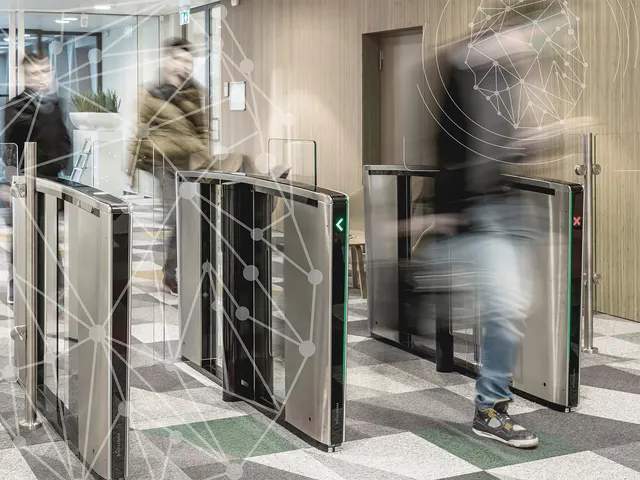
Badge systems and card readers
Entering secure areas without using a key? This has been common practice for years in many buildings
and environments. Take most hotels, for example, where
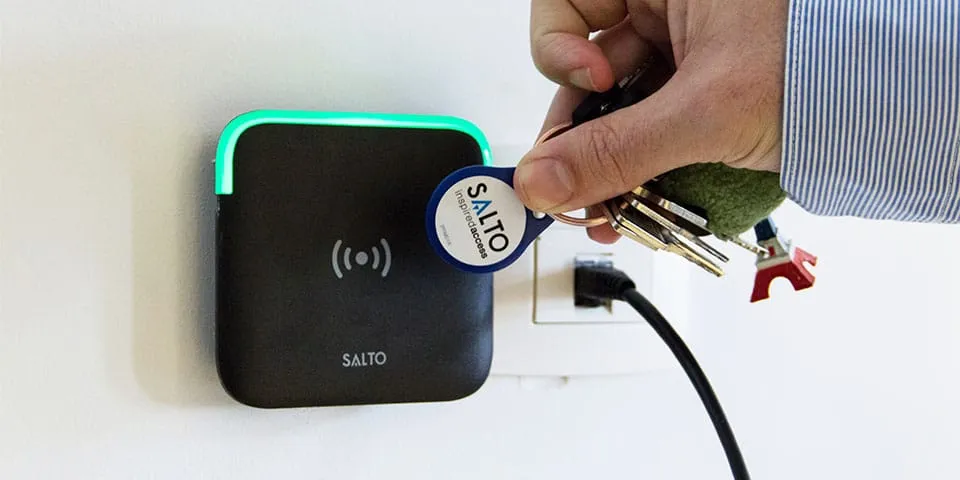
guests receive a personalised access card when they check in. Badge and RFID systems are now also well established. Using central management software, users are assigned specific access rights, which are put into practice via a personal badge. Unless there is a mistake, only the right doors open at the right times. Simple, efficient and hygienic! Many hospitals and other care institutions are grateful users, as are all kinds of businesses.
Cameras and scanners
Using cameras to grant or deny people access automatically? It is entirely possible! Especially when they are thermal cameras that, in compliance with privacy requirements and legislation, can detect a potentially elevated body temperature, an invaluable feature in times of coronavirus. Scanners are also an excellent alternative to the traditional bunch of keys, although this does not apply to every type. Think, for example, of
‘fingerprint readers’, which can become breeding grounds for viruses and bacteria and consequently contribute to the spread of infection. Fortunately, there are many other options that
do meet the new health and hygiene standards, such as iris scanners or
facial recognition systems. Many believe that biometric access control, in other words, granting access based on unique physical characteristics, is and will remain the future.
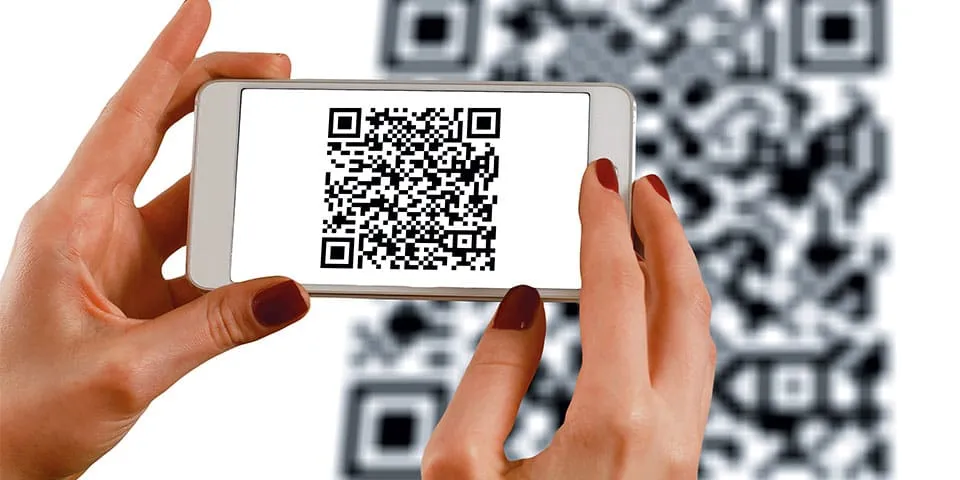
Sometimes all it takes to gain access to a particular room or building is to scan a QR code with your smartphone.
Smartphones and tablets
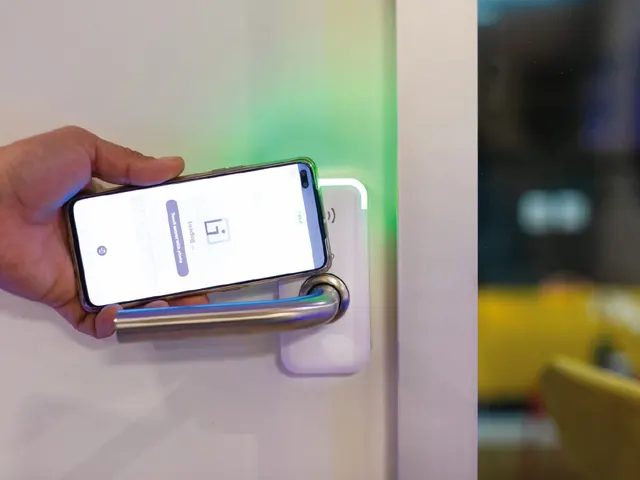
Now that we are all more or less inseparable from our smartphones and/or tablets, it would be strange not to use these ‘extensions of our identity’ for access control. There are undoubtedly plenty of ingenious and complex solutions to consider, but it can also be
simpler. Take scanning a downloaded QR code, as has been standard practice for some time at sports stadiums and concert halls. AZ Herentals recently used the system, for example, to enforce coronavirus guidelines accurately and avoid long queues at the hospital. Whether access control via smartphones and tablets is also the safest solution is another matter. Even so, we can confidently say that they will increasingly serve as digital keys in the future.
Integrated building management solutions
Last but not least, access control can also be incorporated into overall building management. In fully fledged ‘smart buildings’, it is certainly part of the package offered to users. Have you booked a meeting room online? You will then be able to use all the facilities the room has to offer for the duration of the meeting. The heating system, solar shading and perhaps even the coffee machine: everything is controlled by the building management system based on the appointment in your calendar, including access control. It goes without saying that such
concepts are every facility manager’s dream, especially as they make buildings more functio-
nal, economical and efficient.
Question about this story? Ask your question
Keep following this
Get an email when a new story is published. No account needed.
- SubjectThemes