The importance of water-saving sanitaryware is growing
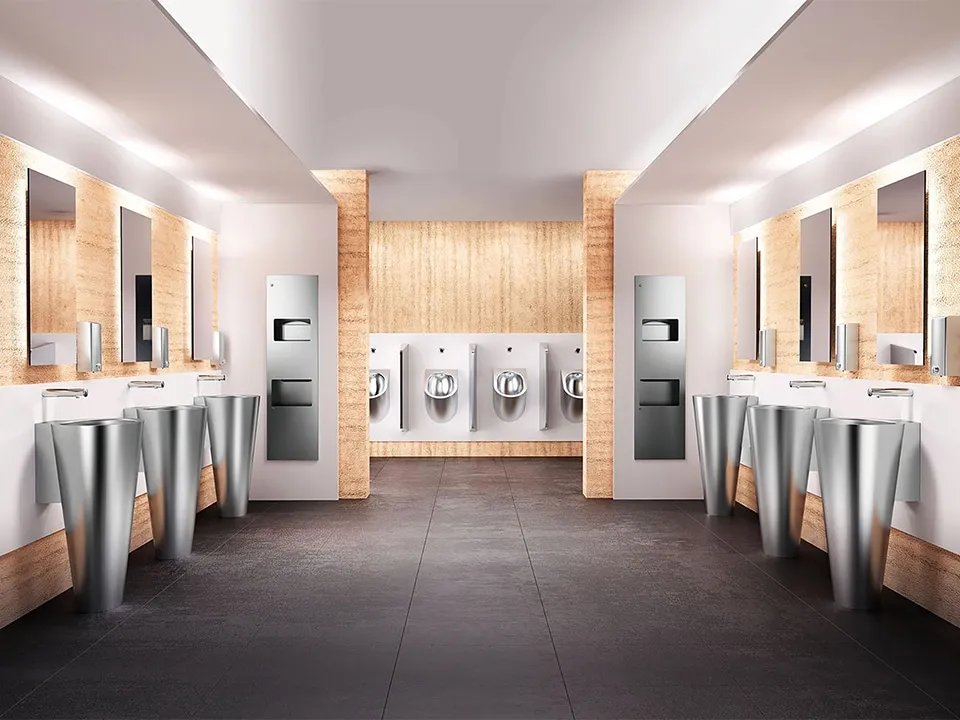
Sustainability is now an integral part of our society. Sustainable solutions are particularly important in public spaces, including in the field of sanitaryware.
People behave differently in public places than they do at home, and use sanitary facilities differently. This can have a detrimental effect on water consumption and the condition in which installations are left. We are also living through the coronavirus pandemic, when people will wash their hands more often and take hygiene measures into account. “The use of sanitary facilities is therefore only increasing,” says Delabie. “That is precisely why it is so important for clients to respond to this and provide the right sustainable, water-saving sanitary solutions.”
Visitors to public buildings often behave very differently than they do at home. For example, they use much more water when using the sanitary facilities. Per person, consumption is 50 % higher than measured household water use. Users do not have to pay the water bill and are only passing through, which often leads to indifference towards water wastage. Public sanitary facilities are also used intensively, which means that consumption is inevitably considerably higher.
Automatic shut-off
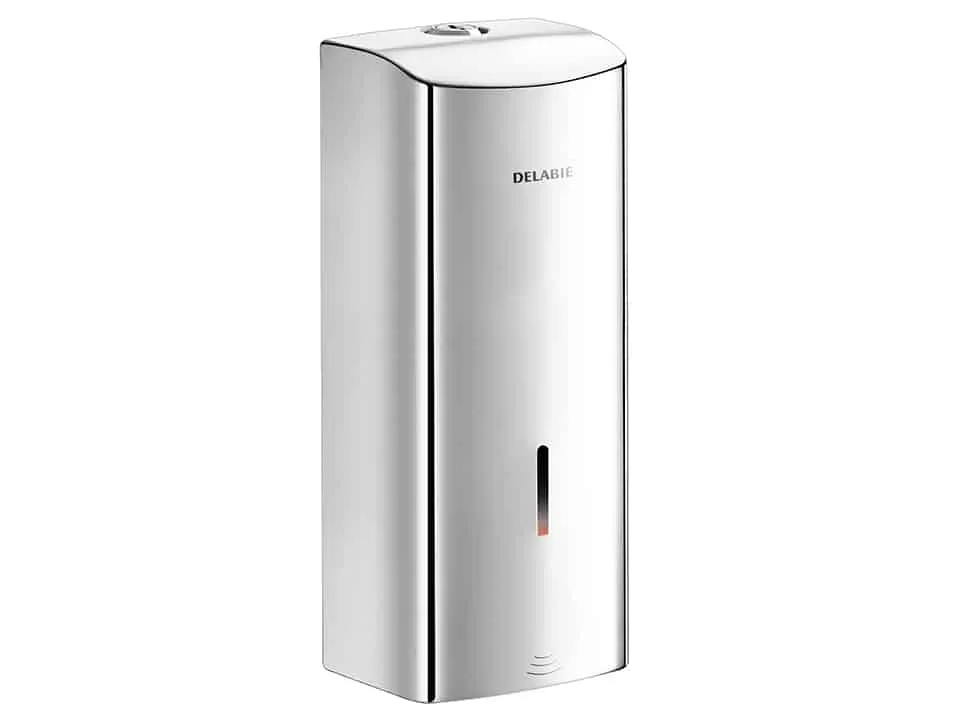
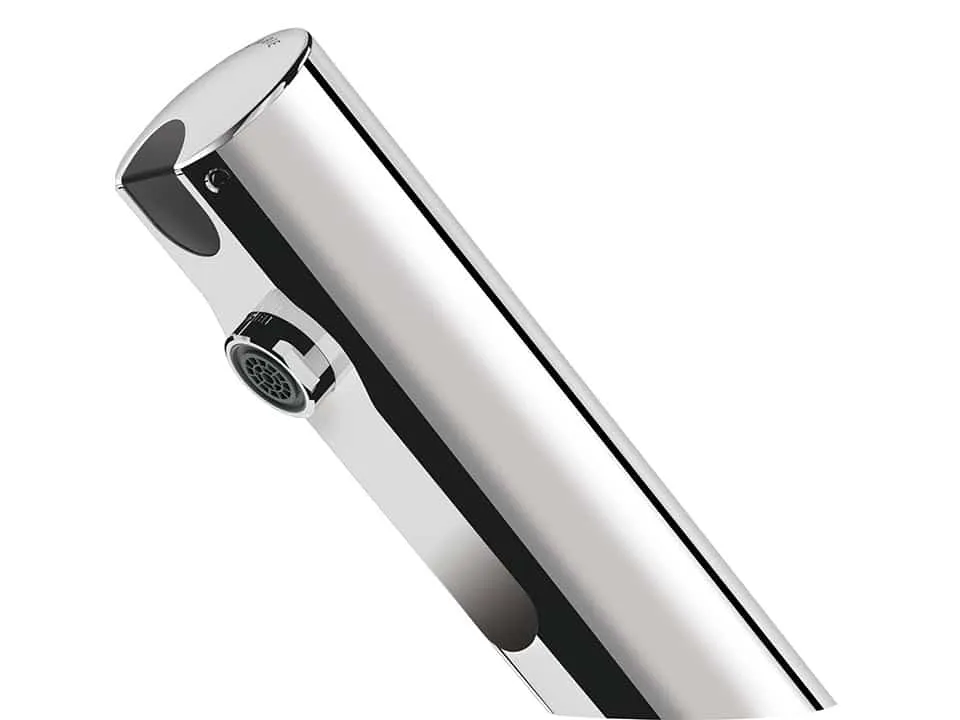
Owners of public buildings are also aware of this issue and are therefore looking for sustainable solutions. Delabie, the European leader in taps and sanitary facilities for public spaces, has been offering responsible, sustainable and stylish products for more than ninety years. Delabie’s self-closing mechanical and electronic basin taps not only deliver a limited flow rate, but also provide ‘intermittent’ use and guaranteed automatic shut-off. A low flow rate of 3 l/min (down to 1,5 l/min) already saves a great deal of water, but reducing the flow rate alone is not enough to guarantee sustainable consumption.
To achieve optimum water savings, Delabie has therefore developed an innovative automatic shut-off system: while users soap their hands, the water flow is automatically interrupted to prevent wastage. “60 % of water wasted when washing hands occurs while people are soaping their hands. They can then rinse their hands in just 7 seconds, after which the tap closes automatically. Interrupting the water flow also reduces the risk of users forgetting to turn off the tap. With taps featuring this innovative automatic shut-off system, clients can achieve the best results for their buildings with a view to obtaining certifications such as LEED and BREEAM,” says Delabie.
Durable materials
The basin taps’ low flow rate of 3 l/min is among the lowest in the world. However, this is not the only factor that helps reduce water consumption. Sanitary facilities in public spaces are used intensively, which not only carries risks such as users failing to turn off taps. Leaks are also common. Such leaks can be prevented by choosing the right sanitary installations, in particular those designed to withstand vandalism and intensive use.
Public spaces almost always face vandalism, whether deliberate or not. Theft is also a common occurrence in busy locations. To withstand all forms of vandalism, Delabie products are made from very durable materials such as stainless steel, brass or glass-fibre-reinforced materials. “Our products generally have a clean design, with no handholds, making them difficult to pull off. Some tap models are also equipped with an anti-blocking safety feature to prevent water wastage and misuse. Taps with installations concealed in the wall or in a technical room can also offer the right solution: the mechanism and fixings are not accessible to users. This prevents all forms of damage and water wastage, such as leaks,” concludes Delabie.
Question about this story? Ask your question
Keep following this
Get an email when a new story is published. No account needed.
- SubjectThemes