Interior specialist focuses strongly on the public sector
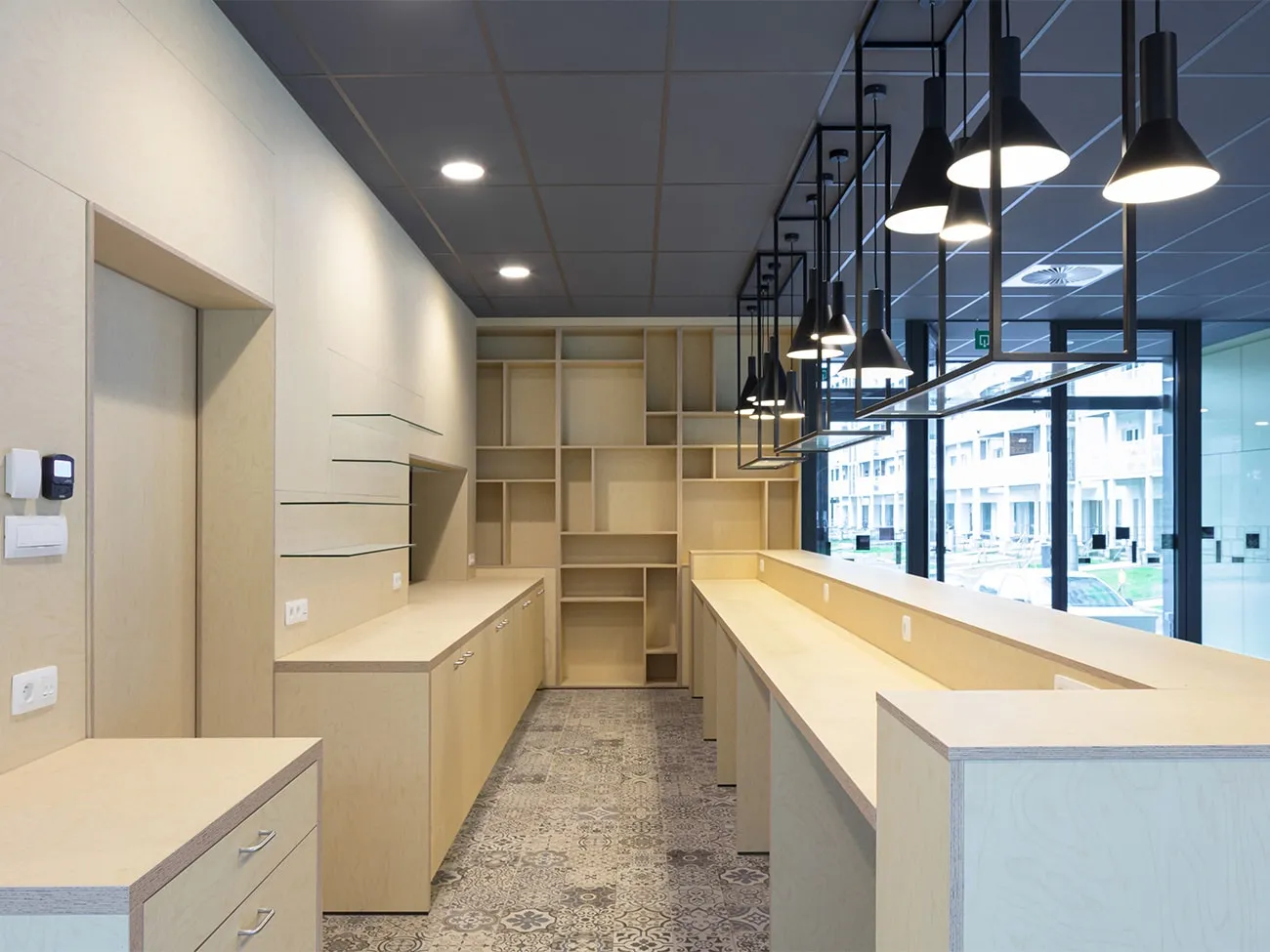
Bruges-based interior specialist Hornicub has long been a trusted partner to contractors on major projects. The company initially focused mainly on standard kitchens and the DIY market, but managing director Dirk Destrooper took a new direction in 1997. It proved to be the right one.
Hornicub has evolved from a fit-out contractor for architects, well-known retail brands and private interior projects into a partner for larger construction contractors. The Bruges-based company specialises in producing large runs of bespoke furniture for social housing, care homes and schools. “We used to be based in Bruges city centre, a commercially attractive location for private projects,” says Destrooper. “Moving to a site outside the city, on Gotevlietstraat, clearly took us in a different direction. It allowed us to focus fully on larger contractors bidding for public tenders. Since then, the company has grown enormously. We still have a great many projects coming our way. We are almost constantly looking for new staff, but finding them is difficult.”
Large-scale projects and bespoke work
These projects stem from partnerships with almost all the major construction companies bidding for design-and-build contracts. The Bruges-based interior specialist also offers bespoke work, such as a bar or reception desk in a care home. “We want to serve everyone on large-scale projects involving high volumes, while also providing additional support on smaller projects, such as bespoke work. That allows us to offer our clients a complete package, which they greatly appreciate,” says Destrooper.
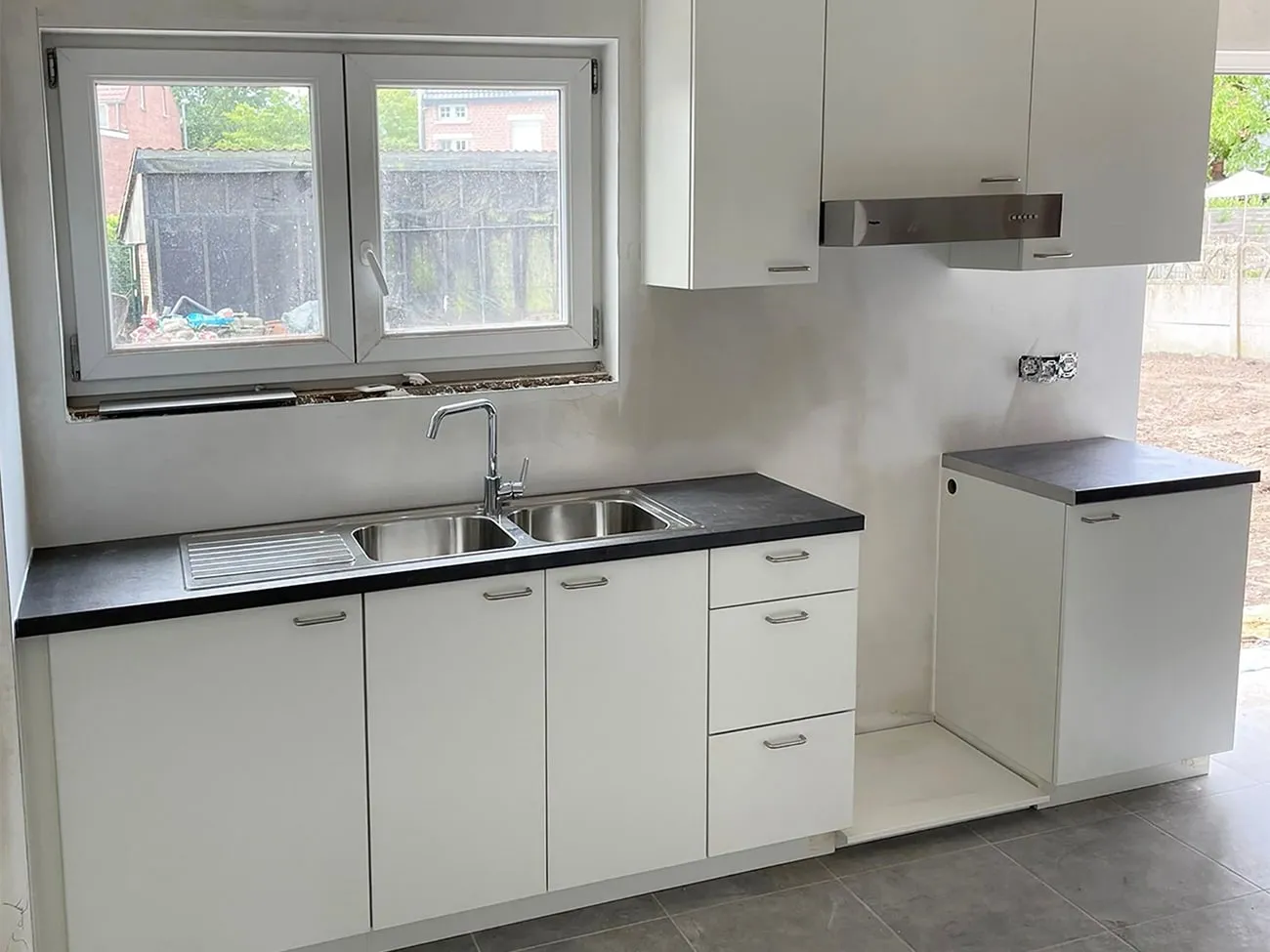
Bridging creativity and quality
There are other reasons why contractors choose Hornicub. The company gives clients a single point of contact to coordinate the delivery of every project, whatever its size or design style. In this way, Hornicub bridges the gap between creative design and quality execution. Destrooper says: “We take care of the complete delivery of every kind of interior project and have all the necessary construction and technical expertise, along with the support services that may be required during the work.”
Hornicub’s employees also handle all queries relating to tenders, helping contractors bid smoothly for attractive projects. “And then there’s a good chance they’ll come back to us for the actual work. Because we work with
so many partners, we also win a significant share of those tenders,” says Destrooper.
Pandemic
Like many other companies, Hornicub was badly affected by the pandemic over the past two years. “Not so much at first,” says Destrooper, “but as time went on, more and more sites came to a standstill, which meant we couldn’t carry on working either. What’s more, they all started up again at the same time, making it difficult to juggle everything.” In the wake of the pandemic, raw material prices also rose sharply. Hornicub could no longer pass these increases on because everything had already been fixed in contracts. Delays to some projects therefore had a negative impact. Destrooper says: “We were able to hedge against around 70% of the increase by building up large stocks, but of course those stocks are running low too.”
Once the economic effects have run their course, Hornicub is considering investing, particularly in automating its production process. “In the longer term, that will allow us to serve even more clients and secure the company’s future,” concludes Destrooper.
Question about this story? Ask your question
Keep following this
Get an email when a new story is published. No account needed.
- SubjectYearbook