Swedish workplace creators
Text Arno VerheijImage Kinnarps
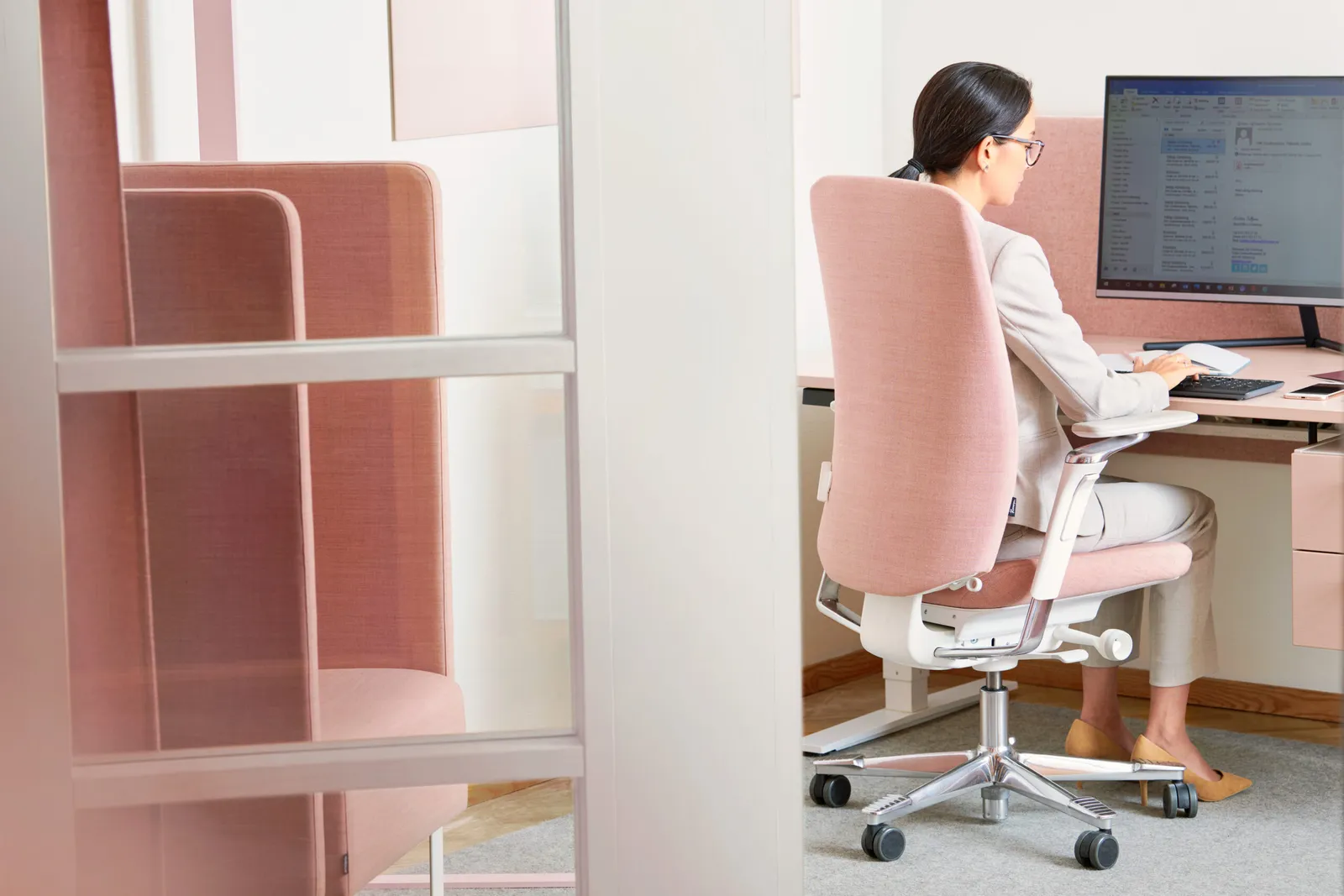
Sustainable, circular and holistically ergonomic: according to Kinnarps, the Scandinavian supplier of complete interior solutions and office furniture, these are the three pillars of a healthy working environment. A physical workplace optimally aligned with a company’s culture has a major impact on results …
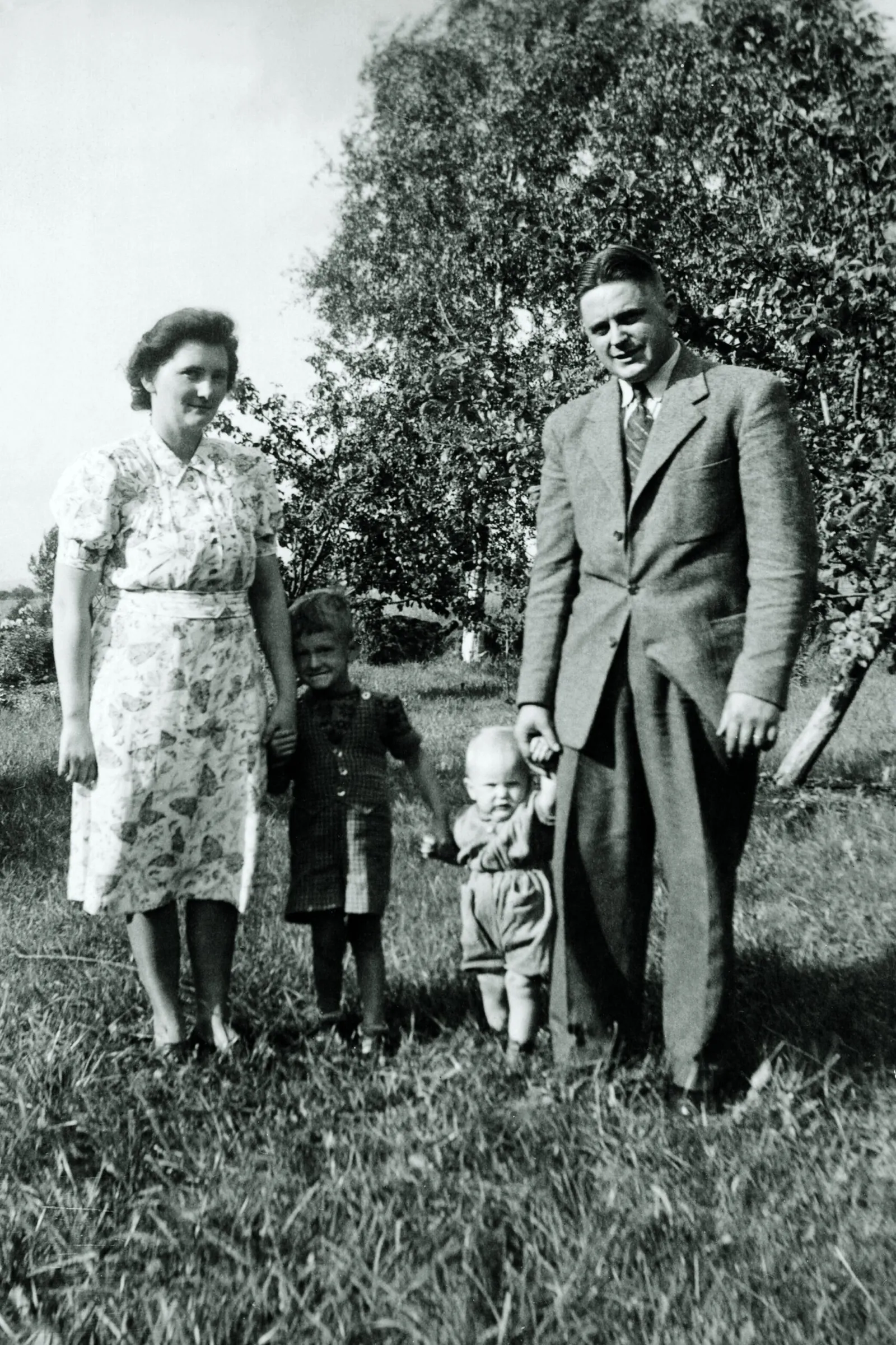
The Kinnarps Group has been one of Europe’s largest suppliers of ergonomic office furniture since 1942. It also supplies complete solutions for working, learning and living environments, serving offices as well as educational and healthcare institutions. Kinnarps has more than 200 sales outlets in over 40 countries worldwide and employs more than 1,650 people.
Workplaces are becoming more diverse
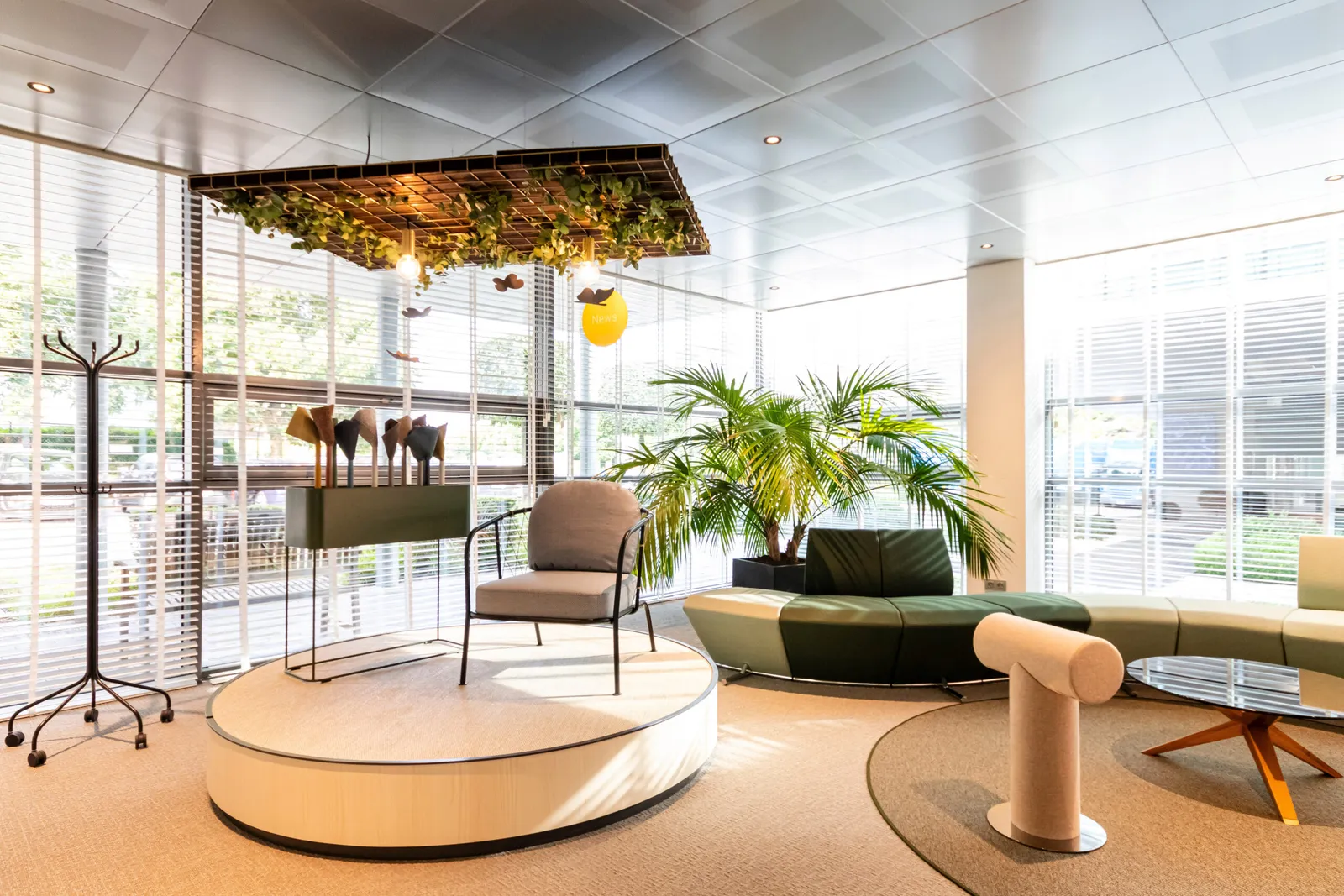
“Good ergonomic office furniture is very important, but you also need to consider how spaces are used and laid out,” says sales manager Christophe Lagers. “The number one pain point for many organisations is acoustics. The large open-plan office, which gained popularity in the early 2000s, has proved far from ideal. We are moving towards greater diversity in the workplace: the home office, the traditional workstation, the open-plan workspace and so on, alongside areas where people can work with focus.”
Holistic ergonomics
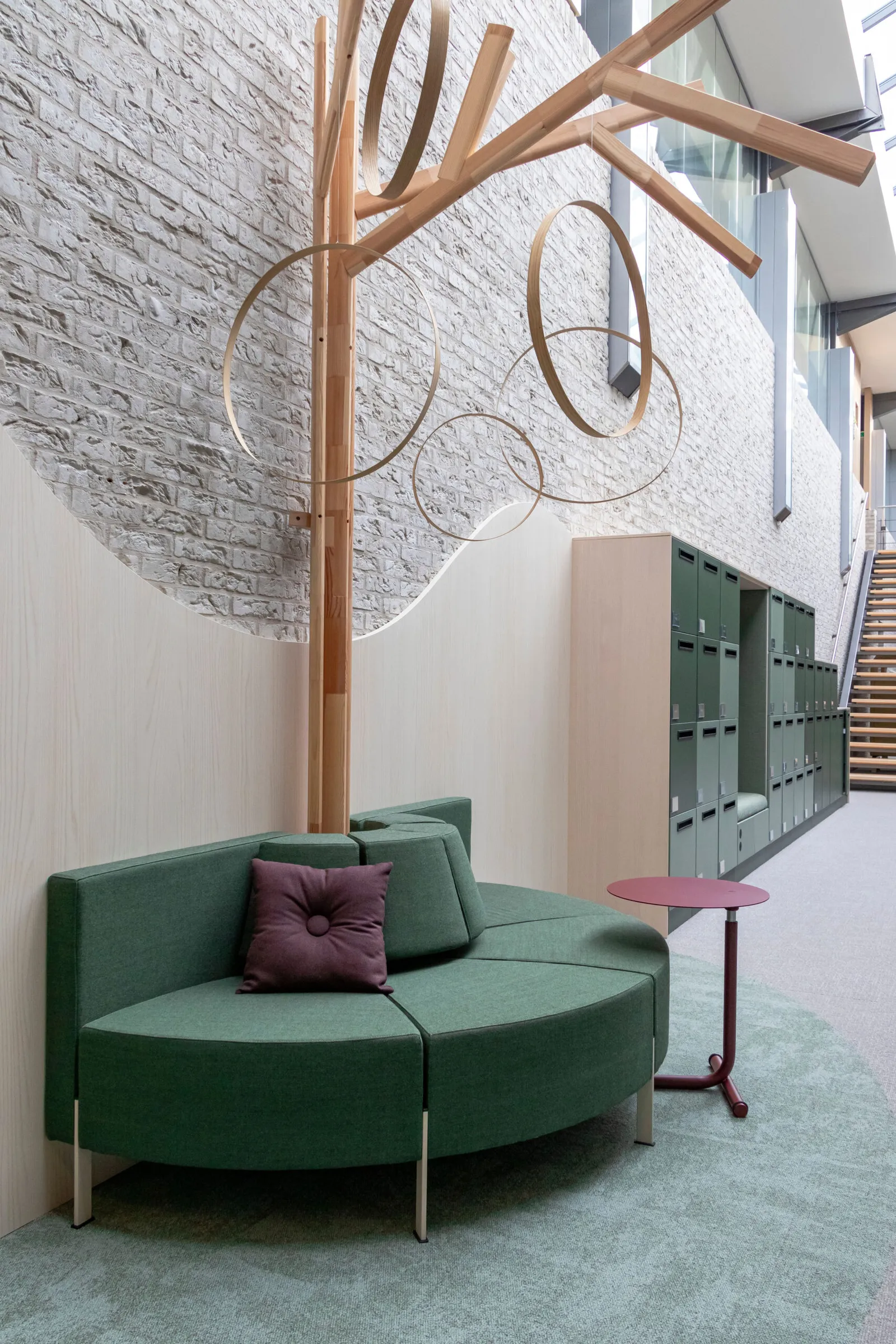
“Our solutions are based on three pillars: holistic ergonomics, sustainable circularity and functional design. Holistic ergonomics is about the whole picture, the complete experience of a space. Furniture, layout, materials, colour and light all matter. But so do the social and mental aspects: how does someone feel at work? Factors such as culture, leadership and inclusion play an important role. As with an orchestra, harmony can only be achieved when everything is in tune. To create that interplay, we analyse a company’s culture and vision.”
Sustainable circularity
“The second pillar of our philosophy is sustainable circularity. It starts with choosing ergonomic furniture that lasts. Furniture must also be flexible, so the workplace can easily be adapted to changing circumstances and needs. The second condition for sustainability is that furniture must be designed to be refurbished, updated or adapted in the future. For furniture at the end of its service life, we look for circular solutions: it can be given a second life elsewhere, or we help dismantle and recycle it.”
Design with a purpose
“A piece of furniture should be designed to be attractive and functional, and suitable for as many employees as possible. We call this ‘inclusive design’. We are not led by the latest fads, because today’s trendy design will be outdated in a few years. Above all, we want the design to match the company’s DNA. That is why we prefer to design the workplace in co-creation with the company, bringing our expertise together with the client’s needs and ambitions. That is how you create design with a purpose.”
Good ergonomics pay off
“Investing in ergonomics, and therefore in wellbeing and health, pays off financially. There is less sickness absence, and healthy, satisfied employees are more productive and efficient. A workplace where people feel good and perform better also makes you a more attractive employer, helping you retain employees and recruit new ones. Last but not least, flexible office furniture saves you money because it needs replacing less often.”
Question about this story? Ask your question
Keep following this
Get an email when a new story is published. No account needed.
- SubjectYearbook