“Accelerating the pace of renovation through clear long-term policy”
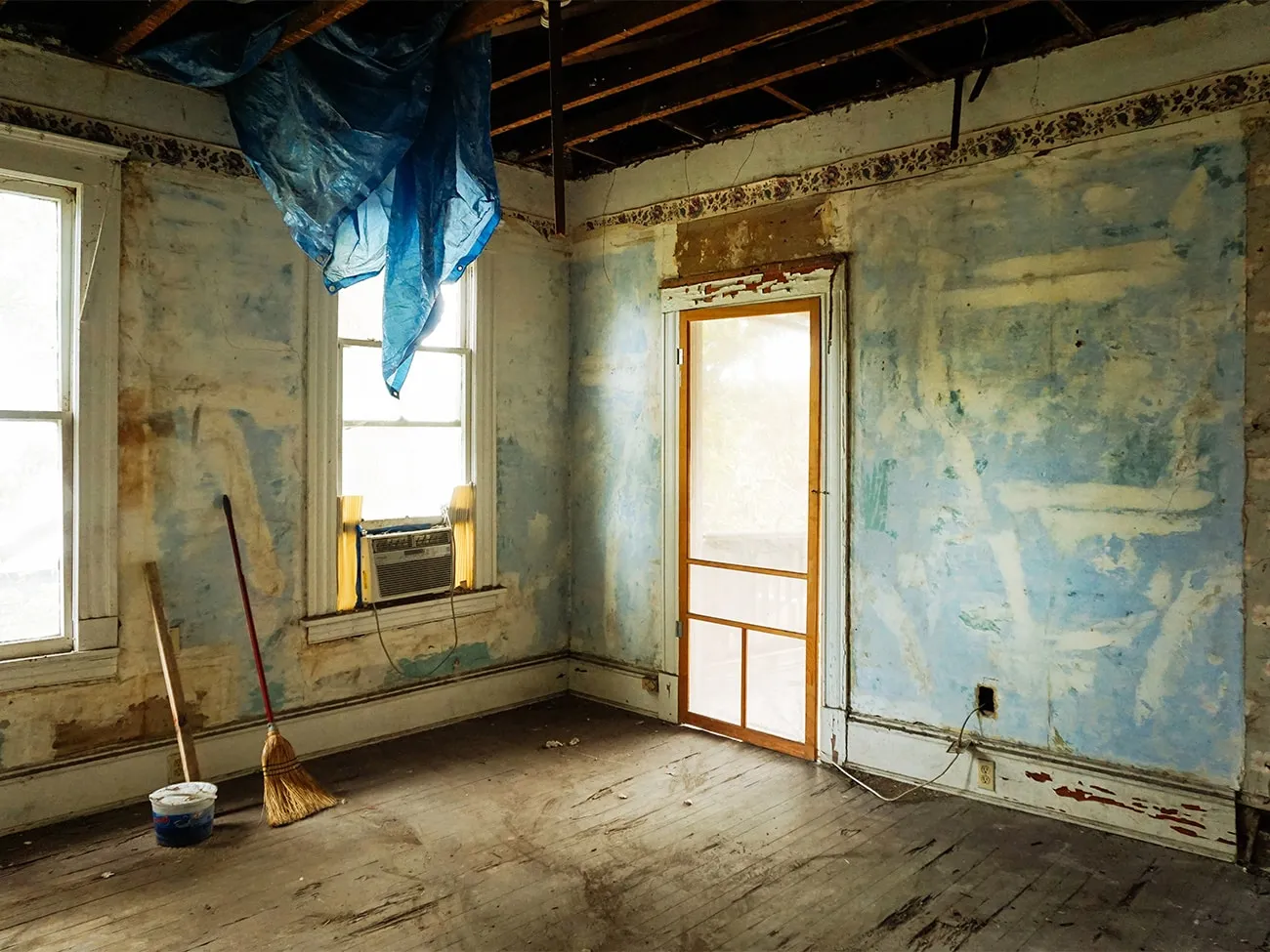
Europe aims to become the first climate-neutral continent by 2050. At least, that is the ambition set out by the European Commission in the so-called ‘Green Deal’. Since buildings account for around 40 % of energy consumption in Europe and barely 1 % of our buildings undergo an energy renovation each year, a large-scale renovation wave is one of the Green Deal’s key priorities. There is still much work to be done in Flanders, too. But what are the obstacles, and what solutions could help increase the renovation rate? We spoke to Han Vandevyvere, project manager for sustainable urban development at EnergyVille/VITO.
Energy renovation of our existing building stock is a highly complex challenge with a broad range of solutions. Han Vandevyvere: “To meet Europe’s climate targets, we must make a full commitment to low-carbon energy sources. In that case, there are two ways to heat our buildings: using high- or low-temperature heat. Sustainable sources that provide high-temperature heat, such as biogas or waste heat from an incinerator, are limited in any case. That is why we need to be able to heat most of our buildings using low-temperature heat. Broadly speaking, there are two options: one is to opt for an energy-renovated home with a heat pump, the so-called stand-alone electric solution. The second is to connect thoroughly renovated buildings to a low-temperature heat network using waste heat, solar water heaters, ambient heat … To heat buildings at low temperatures, they do need to be sufficiently insulated. Both the construction of heat networks and preparing our buildings for sustainable heating systems are long-term investments. If we want to meet our climate targets, we need to work on both fronts.”
The need for heat zoning plans
EnergyVille/VITO advocates renovation at neighbourhood or city level. This means favouring a bespoke renovation package over a uniform ‘one size fits all’ approach, in which all buildings are expected to reach the same energy performance levels. “The heat zoning plans currently being drawn up by our cities and municipalities have a crucial role to play,” Vandevyvere stresses. “We must avoid forcing owners to carry out extensive renovations to their homes and prepare them for an individual low-temperature heat pump when they could actually use high-temperature industrial waste heat via a heat network. That is why it is important for local authorities to develop strategies specifying where heat networks will be rolled out, at high or low temperature, and for buildings to be adapted accordingly. In historic city centres, for example, it is difficult to add extra insulation, given the protected status of many buildings. Ideally, high-temperature waste heat would be supplied to these areas. All of this can be set out in so-called ‘roadmaps’ or heat zoning plans. At EnergyVille/VITO, we support the introduction of a building passport setting out the necessary energy improvements, linked to the ‘roadmap’ for the entire neighbourhood. The next step is to encourage residents to choose the right solutions.”
One-stop shops and hassle-free renovation
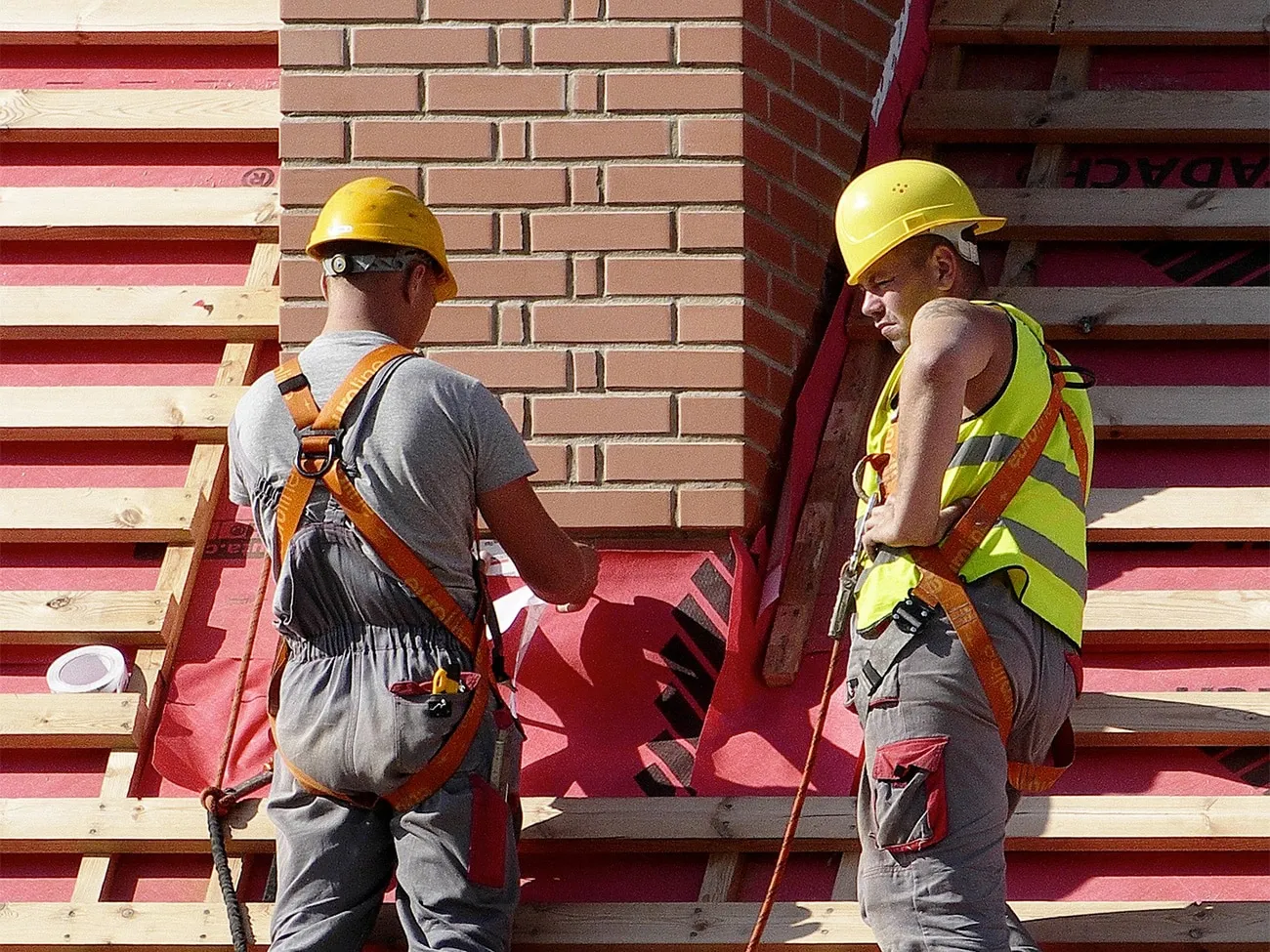
The renovation wave envisaged by the Green Deal also plays a central role in Europe’s post-COVID recovery plan. EnergyVille/VITO is convinced that large-scale renovation can lead to a sustainable recovery for the Flemish economy. However, there are still a number of obstacles to overcome, says Vandevyvere. “Everyone knows that renovating involves a lot of hassle, even when everything goes smoothly: coordination, administrative red tape, financing … Alongside financial incentives for groups without the necessary capital for renovation, the challenge is to persuade owners who do have sufficient resources to take the plunge, an estimated 50 to 70 %! A ‘one-stop shop’, where you can entrust an external consortium with all the concerns associated with renovation, from design and financing to finding contractors and monitoring the work, could help remove this barrier. It is important, though, for local authorities to help steer these one-stop shops. They can provide a public quality guarantee for financing, the selection of contractors and so on. This would enable us to offer homeowners a turnkey package with guaranteed quality.”
Towards Construction Industry 4.0
We also clearly need skilled workers to manage the essential renovation wave. The reality, however, is that the construction sector is ageing rapidly and failing to attract enough young people. “It is therefore crucial to get young people interested in a career in construction,” Vandevyvere believes. “We are moving towards Construction Industry 4.0 in any case, where a building is surveyed using a laser scan. A new building envelope is then prepared in the workshop and can, so to speak, be assembled in a week, without residents having to leave their homes. This is a completely different way of working from the traditional house-by-house renovation approach. If we also integrate energy technologies into such building packages, we will have a completely different construction sector. In any case, it is high time to get construction ready for the 21st century. Finally, we need to bridge the gap between promising sustainability projects and the financial sector. That is not straightforward, but once there is a sound business model, finding capital need not be a problem.”
Moving away from short-term politics
It is clear that much work remains to be done. Where should the priorities lie, according to Han Vandevyvere, to achieve the Green Deal’s objectives in Flanders? “All the experts have long agreed that we need long-term objectives, with short-term policies adjusted step by step to align with them, thereby providing legal and investment certainty. Short-term politics, as we have seen in Flanders with solar panels, the building shift, spatial planning, the CO2 tax, the nuclear phase-out … leads to policy reversals that are fatal to achieving the climate targets. We need a clear pathway that makes difficult, major investments much more economically attractive in the long term than ‘business as usual’. In this respect, Europe is a blessing, because it sets the right long-term goals for the transition to a sustainable economy. We must see this as an opportunity, not a cost. But that takes courage. Our policymakers must be willing to pursue long-term policies. This is not a political message, but the logic of a societal transition.”
Vraag over dit verhaal? Stel je vraag
Blijf dit volgen
Bij een nieuw verhaal krijg je een e-mail. Geen account nodig.
- OnderwerpSustainable construction