What makes a good product warranty?
Text and images Tata Steel
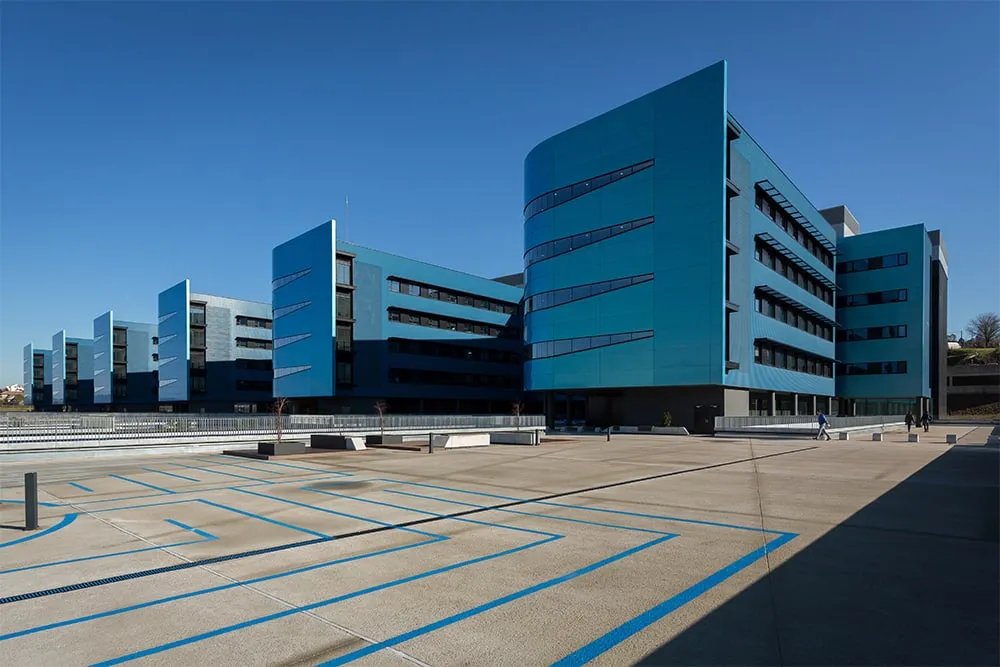
If you are looking for solutions for roofing and cladding materials, you are likely to be inundated with manufacturers offering their own product warranties, each making unique promises about performance. But how can you tell whether a warranty is any good? Dr Peter Barker, Manager New Product Development at Tata Steel, takes a closer look at product warranties in this article, including key considerations and how to ensure they meet customer expectations.
Peter Barker: “Steel roofing and cladding systems are a popular choice for building envelopes, offering a contemporary aesthetic, design freedom and ease of maintenance. However, it is just as important for the materials used to stand the test of time, particularly when these systems are installed on the weather-exposed exterior of a building.”
“A product’s service life is an integral part of the performance of any building envelope. Using durable, reliable materials can reduce long-term maintenance costs and minimise disruption to occupants and building operations. When selecting materials for the building envelope, external factors must be taken into account, as durability often depends on a material’s ability to withstand various environmental factors, such as sunlight, water and oxygen. Buildings in coastal areas, for example, face even more demanding conditions and are exposed to abrasive elements such as wind-blown sand and airborne salt. Products offering enhanced durability can also play an important role in reducing embodied CO2 during a building’s use phase.”
“Warranties can help here. Their primary purpose is to give building owners confidence in the product they have purchased, but they also provide strong evidence of a product’s performance. They are therefore one of the most powerful statements a company can make. The quality and content of a warranty are crucial when comparing products, and several factors need to be considered.”
Warranty duration
“The first crucial factor is the length of the warranty period. Generally speaking, the longer the warranty period, the higher the quality and durability of the product. Manufacturers that offer warranties lasting
decades will generally do so only if they have a high degree of confidence in their product.
However, remember to read the small print in the warranty agreement to check whether the duration depends on specific clauses or restrictions.”
“As well as the warranty itself, you should also consider the manufacturer providing it, including its product expertise, continuous development and the extensive testing built into its products.”
Reading the small print
“It goes without saying that it is also important to examine the details of the warranty and look beyond the period of cover. Make sure you fully understand the terms and conditions, such as the maintenance and inspection requirements throughout the building’s lifetime.”
Exclusions and limitations
“Some warranties may include various exclusions and limitations. These can restrict the scope of cover or even indicate the product’s technical performance or limitations. A common restriction on product warranties may relate to the building’s location and the definition of the external environment. Exposure to sunlight, extreme weather conditions and coastal environments are all external factors that can cause pre-painted steel to deteriorate over time. Consider a product whose warranty continues to provide extensive protection regardless of location or the corrosivity category of the environment.”
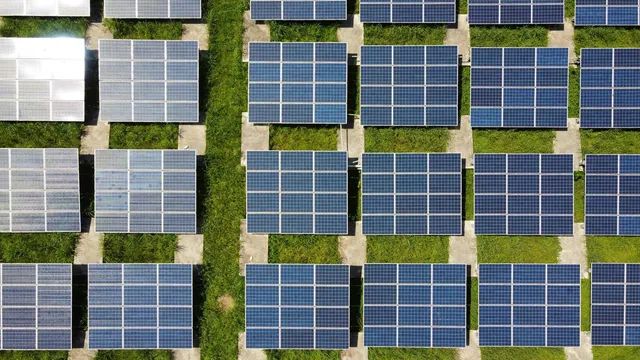
“Focusing on a ‘fabric first’ approach can deliver cost-effective CO2 savings and ensure energy efficiency throughout a building’s lifetime. By creating a durable, energy-efficient envelope that is ready for photovoltaics, you can future-proof the building, allowing PV systems to be installed or expanded at any time. It is therefore important to choose a warranty that is ‘solar panel ready’, without affecting the cover or the length of the warranty.”
“Warranties for construction products are important in the building sector because they guarantee a product’s quality and performance. When choosing a pre-painted steel product for your next project, it is important to fully understand and consider the details of the warranty. This can help you avoid costly complications further down the line and ensure the building meets the customer’s expectations, delivering high performance and durability.”
“At Tata Steel, the market-leading Confidex® Warranty offers up to forty years’ protection for the pre-painted steel products Colorcoat HPS200 Ultra® and Colorcoat Prisma® for industrial and commercial buildings, provided they are registered online. The Confidex® Warranty has been unique in the market for more than thirty years and is refreshingly straightforward. It is offered directly to the building owner and can be transferred if ownership changes. The warranty provides full repair in the unlikely event that the coating fails to perform, and applies to coastal locations, defined as locations within 1 km of a coastline. It is also suitable for solar panels, with no reduction in the warranty period, so solar panel frame modules can be added at any time in the future.”
Question about this story? Ask your question
Keep following this
Get an email when a new story is published. No account needed.
- SubjectSustainable construction