“Acoustics in restaurants, schools and offices still all too often cause problems”
The importance of good acoustics in buildings has only grown in recent years. Yet there is still work to be done, particularly in restaurants, schools and office buildings.
Is the open-plan office outdated? “From a purely acoustic point of view, you’re better off on your own, but of course other factors also play a role in designing a workplace.”
“We receive a great many enquiries from the hospitality sector. The situation there is often problematic,” says René Verhaegen (Renobo). The sector is also lagging behind, says Filip Verbandt (EVA-International): “School buildings have clear requirements set out in the specifications. There are no problems there. But the standards for offices are outdated.” Koen Van Cauwelaert (Asona) adds: “I’ve been to countless restaurants that were brilliantly designed, but where visitors couldn’t talk to one another because of poor acoustics.”
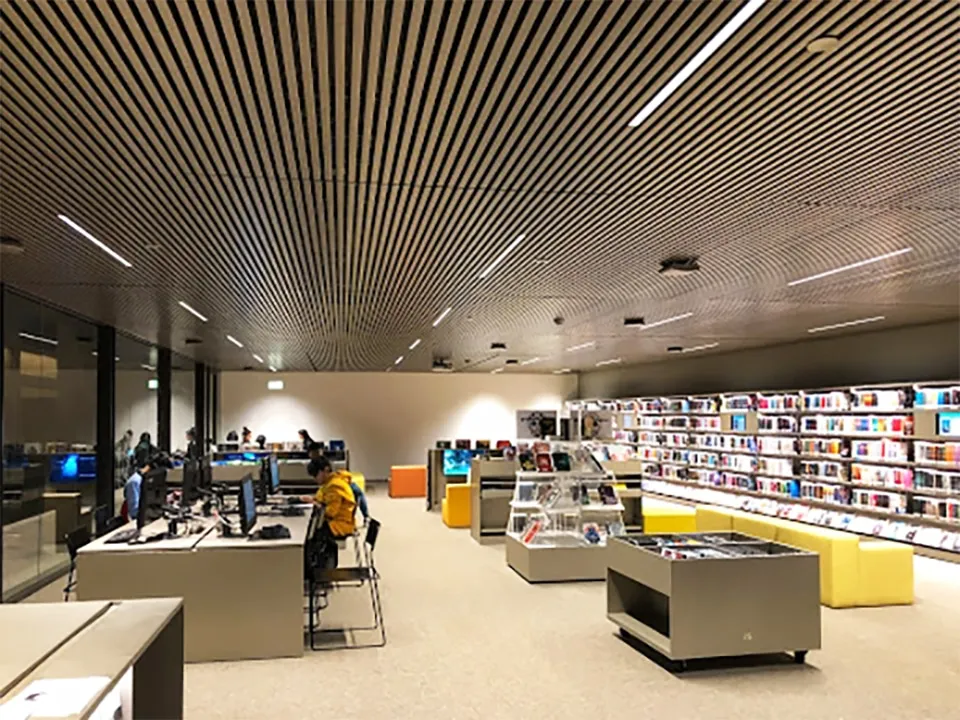
Poor acoustics in schools
Laurens Boeckx (engineering consultancy MACOBO-STABO): “When schools cut costs on good acoustic measures, this has a negative impact on teachers’ performance. They may unknowingly strain their voices and could even become ill. Pupils and students can also suffer from concentration problems if a classroom is not properly designed acoustically. The impact of acoustic interventions can therefore be measured. Failing to take acoustics into account when designing a school is a form of negligence.”
Lionel Jacques (Knauf): “The right acoustic solution depends on the type of building. In flats, the focus is mainly on sound insulation. Offices, on the other hand, tend to need sound absorption. Sound-absorbing ceilings play an important role there.”

Unhelpful trends in offices
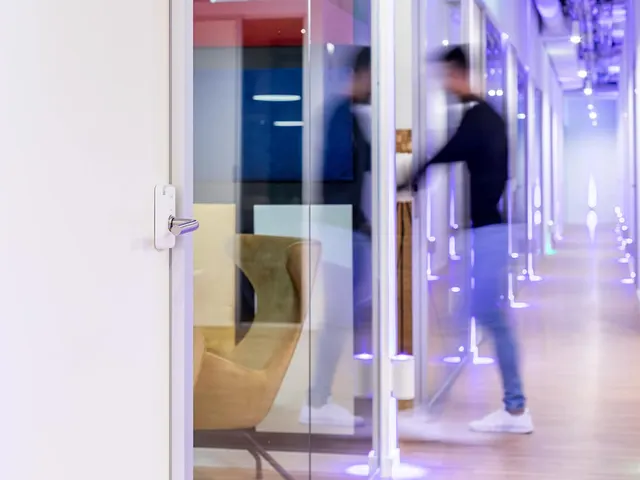
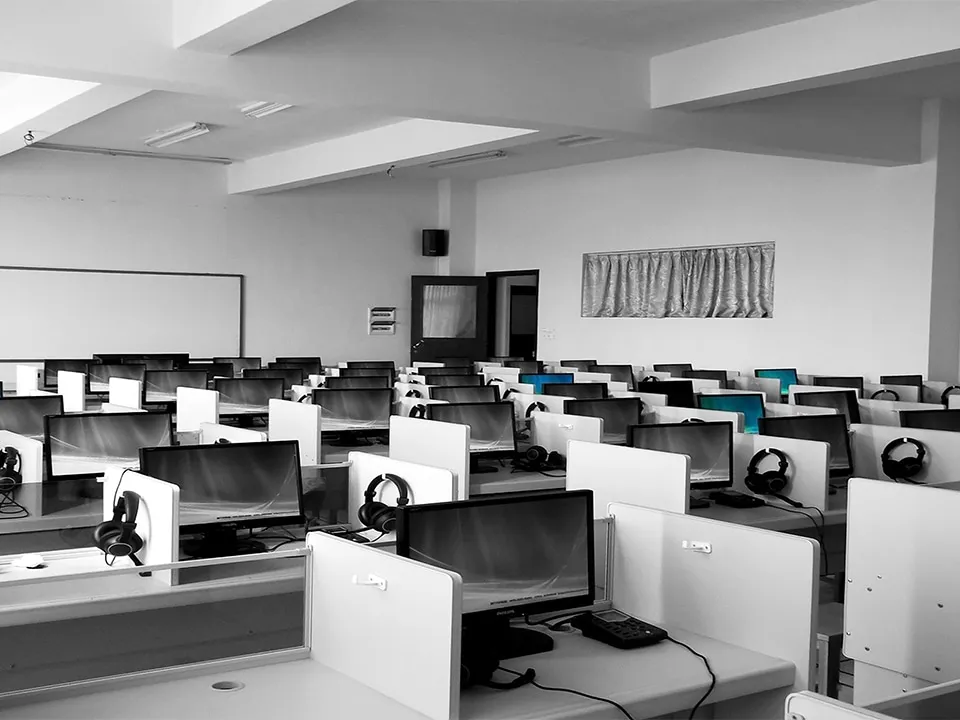
Alongside restaurants and schools, office buildings remain problematic too. Peter Legrand (Interalu) explains: “In many offices, you still encounter problems when two or three people want to have a phone conversation at the same time. The trend in some office environments to leave air ducts and the like exposed creates additional problems.” Filip Verbandt adds: “The spatial layout also plays a part. I often see a call centre next to the accounts department. The trend towards installing as many glass partitions as possible in office environments also makes good acoustics more difficult to achieve.”
Pieter Schevenels (PS-Acoustics): “Many people don’t realise that too little background noise is a bigger problem in office buildings than too much background noise. Sound systems should be used to provide a constant wash of
sound masking at around 40 to 45 dB(A).”
Dominique Goven (Rockfon) is interested in notable developments in the Netherlands: “As in the US, workplaces are increasingly being tailored to employees’ personal preferences rather than to the activities taking place in a particular space. Different types of people working in the building are categorised.”
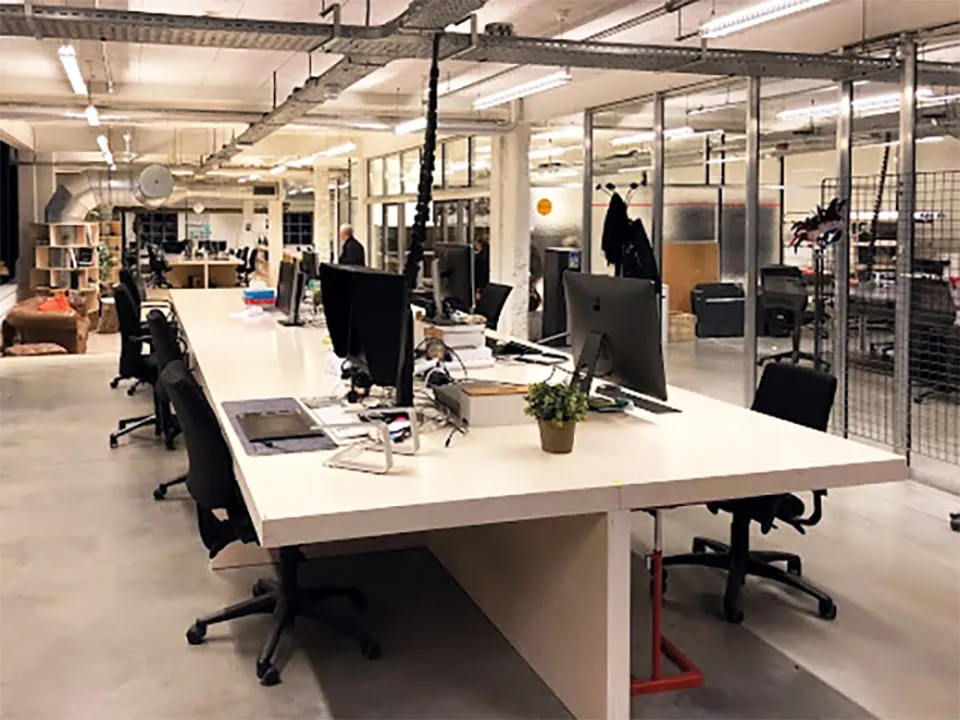
What about open-plan offices?
When discussing acoustics in offices, the concept of ‘open-plan offices’ inevitably comes up. “They emerged from the idea that money could be saved by accommodating more people in the same space. This inevitably led to acoustic problems,” says Leon Spijkers (OWA). Should open-plan offices be phased out? Pieter Schevenels thinks so, at least from an acoustic point of view: “It’s a no-win situation, because there will always be people who are unhappy with the acoustics.”
“From a purely acoustic point of view, you’re better off on your own than in an open-plan office. But of course other factors also play a role in designing a workplace,” says Filip Verbandt. René Verhaegen is not necessarily against open-plan offices either: “You just need to define the space properly. It’s important to show consideration for others and your colleagues.”
“Open-plan offices offer other benefits too, including a better atmosphere and more opportunities for collaboration,” says Koen Van Cauwelaert. “The open-plan office doesn’t have to disappear: thanks to the new products and systems being developed all the time, it’s possible to achieve ever better acoustic results. There is still plenty of work to be done, but we’re on the right track,” concludes Lionel Jacques.
This article is based on a panel discussion organised by intsite.be. The following people contributed:
René Verhaegen (Renobo)
Filip Verbandt (EVA-International)
Koen Van Cauwelaert (Asona)
Laurens Boeckx (engineering consultancy MACOBO-STABO)
Peter Legrand (Interalu)
Lionel Jacques (Knauf)
Pieter Schevenels (PS-Acoustics)
Dominique Goven (Rockfon)
Leon Spijkers (OWA)
Question about this story? Ask your question
Companies in this story
Keep following this
Get an email when a new story is published. No account needed.
- SubjectThemes
- CompanyMacobo-Stabo