Architecture does not stop at the façade
Text and images Jaspers-Eyers Architects
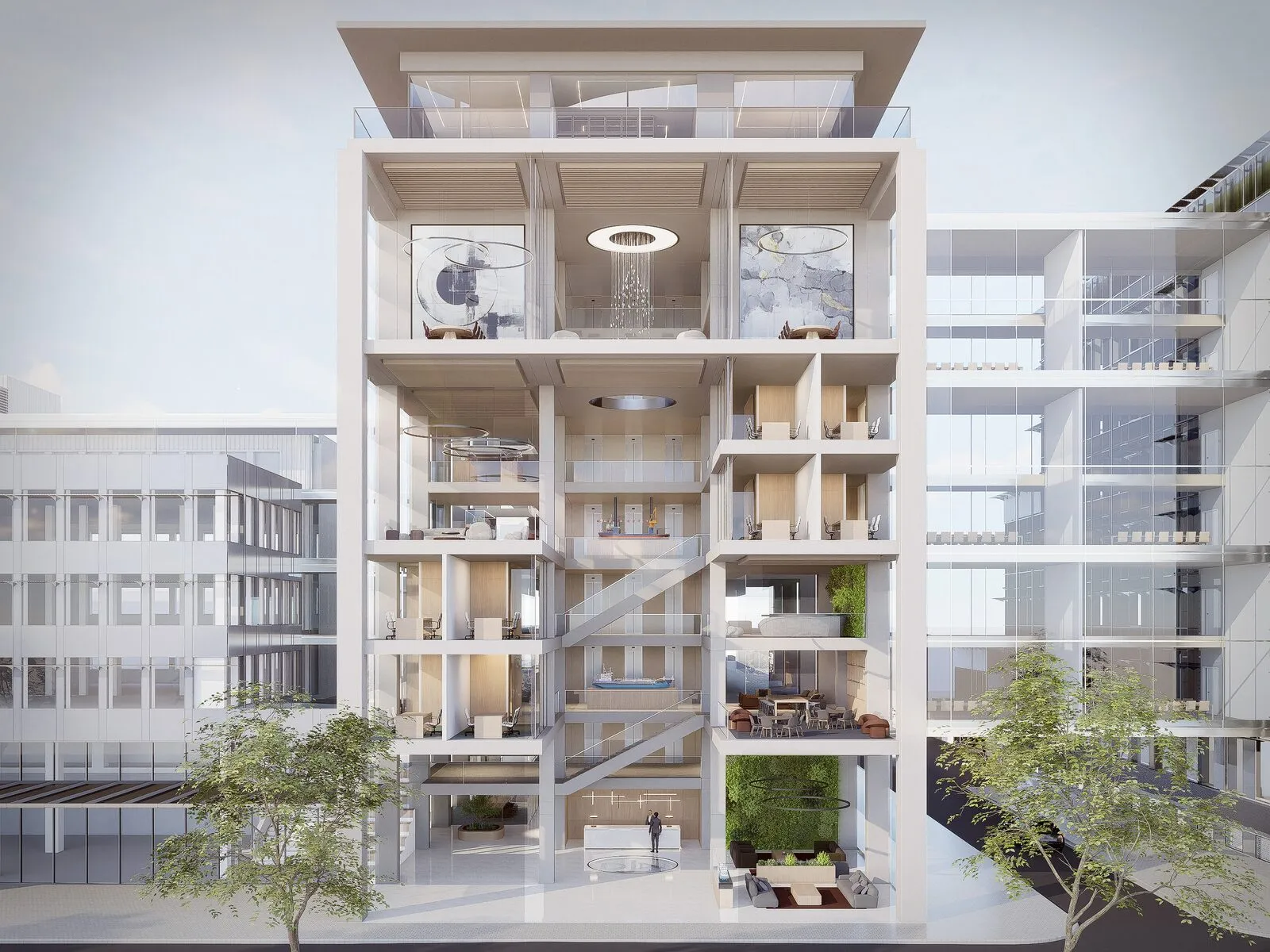
A building never stands in isolation. It forms part of a street, a neighbourhood and a city, yet at the same time it is the setting in which people live, work and meet. Guided by "Designing for Life", Jaspers-Eyers Architects therefore looks beyond the boundaries of the building. From masterplan and architecture to interior: the life that unfolds in and around a project is always the starting point.
For Jaspers-Eyers, architecture begins long before the first façade is drawn. What does a place need? How does a project relate to its surroundings? Which functions can reinforce one another? And which spaces do people need, not just to function, but to feel at home?
These questions are becoming ever more relevant. Cities are densifying, functions are becoming more intertwined and the way we live and work is evolving. Architecture is therefore no longer solely about designing an object, but increasingly about creating coherence between buildings, public space, users and activities.
From city to building
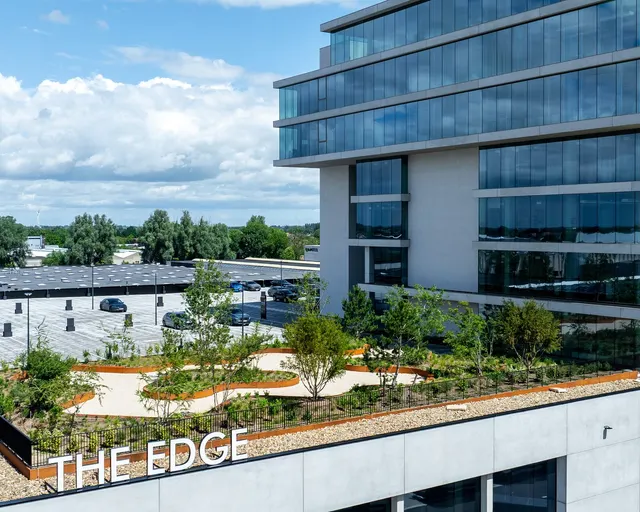
Mixed-use developments illustrate this evolution. Where living, working, hospitality, retail and leisure were once often assigned separate locations, different functions can today be part of a single urban development. This generates activity at different times of the day and makes the building part of everyday life in its surroundings.
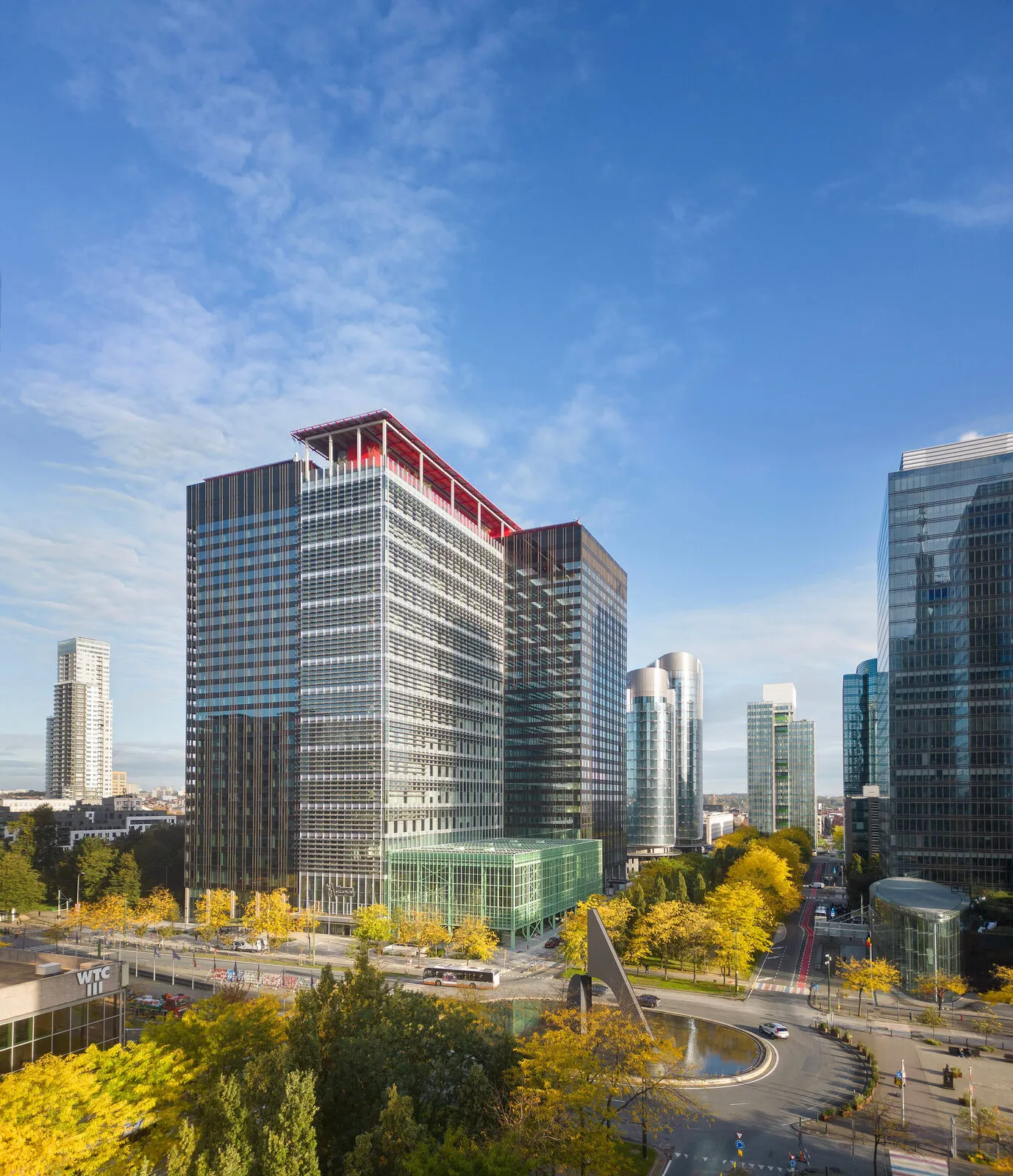
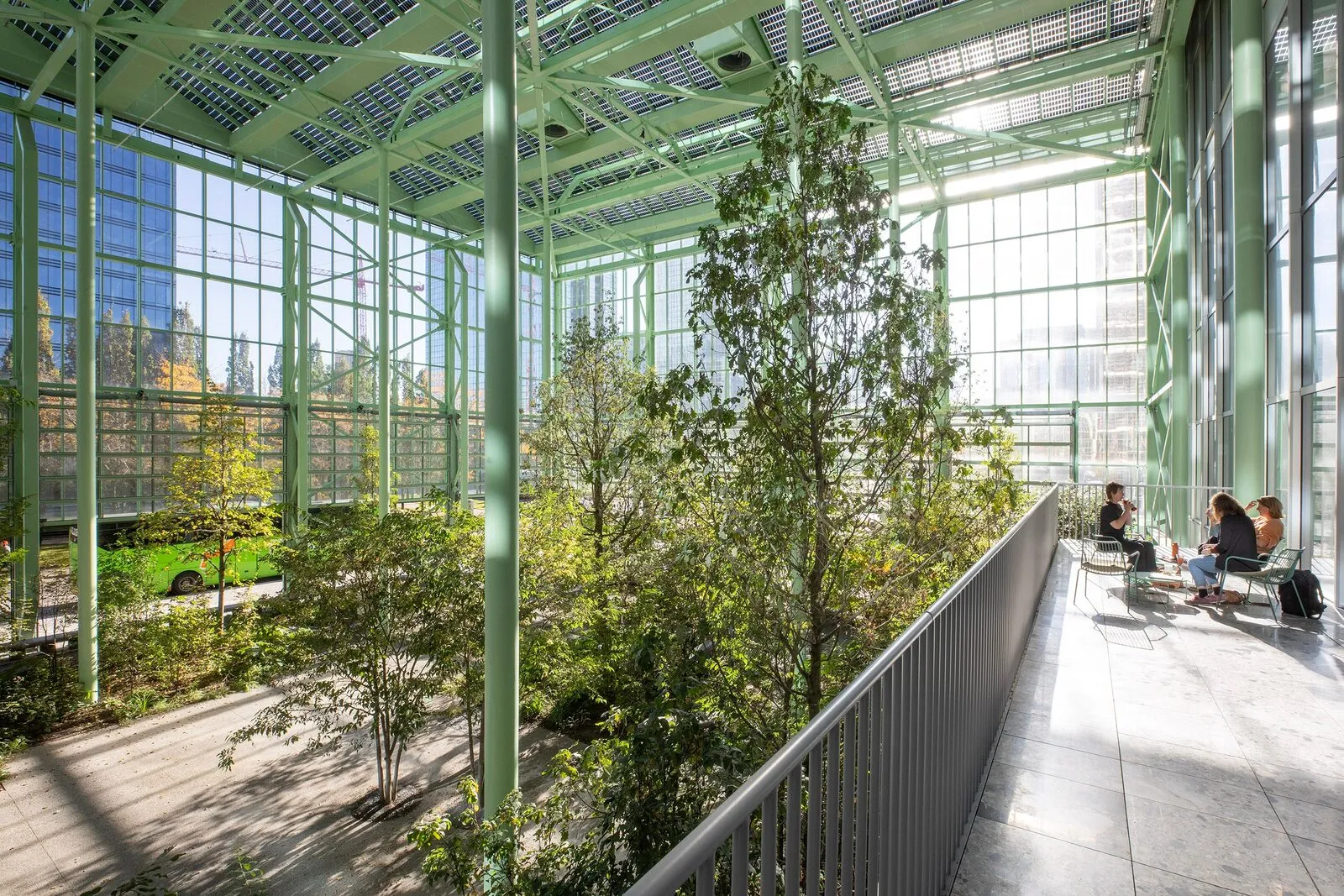
ZIN in Brussels is a striking example. The transformation of the former WTC towers combines several functions within one development and seeks to reconnect with the Noordwijk district. The starting point is not the standalone office building, but a piece of city.
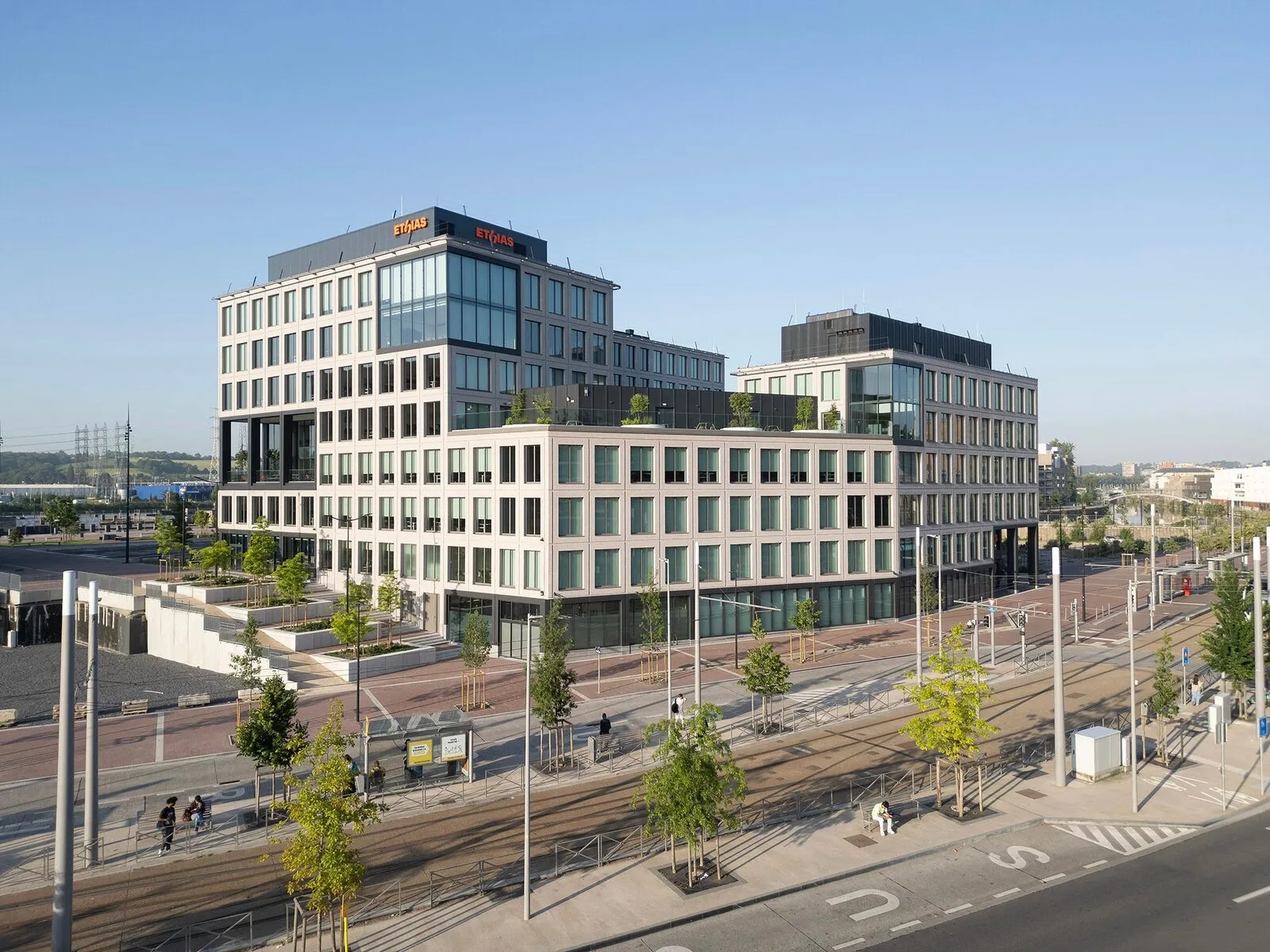
At Ethias Rives Ardentes in Liège, too, the individual building is not separate from the larger whole. The architecture forms part of a new urban environment. Together, the buildings and the spaces between them shape the identity of the place and the way it is experienced.
This increase in scale also changes the role of the architect. Architecture, masterplanning and public space cannot be considered separately. Decisions at masterplan level carry through to the scale of a building and ultimately to the individual user.
From building to people
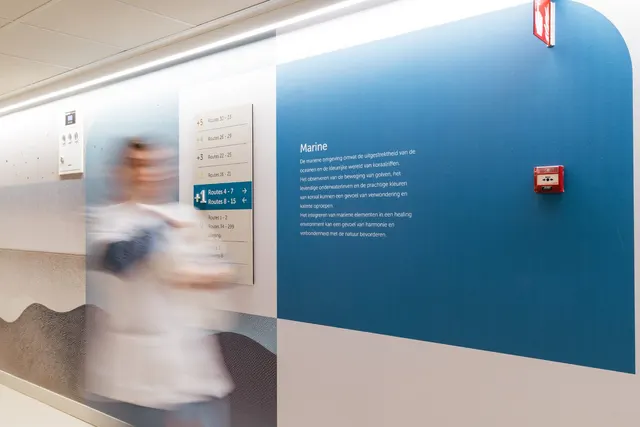
Yet architecture does not stop at the inside of the façade either. The quality of a building is ultimately experienced by the people who use it every day. Interior architecture is therefore not a separate final layer, but can carry the same design thinking through to the human scale.
The interior of the Jan De Nul HQ in Aalst offers a fine opportunity to show this side of "Designing for Life". Where a masterplan creates relationships at the scale of a site or a city, the interior determines how people actually use and experience their daily environment. Workplaces, circulation, shared functions and meeting spaces are all part of the same design brief.
This wide range of scales is at the heart of "Designing for Life". A successful project is not only about a powerful architectural image. It is about what a design makes possible: in the city, between buildings, behind the façade and in the daily life of the user.
Architecture therefore does not stop at the façade. It begins with the surroundings, continues into the building and ultimately acquires meaning through the people who use it.
Question about this story? Ask your question
Keep following this
Get an email when a new story is published. No account needed.
- SubjectYearbook